Looking for a place where daily life feels convenient, connected, and outdoorsy without giving up easy access to shopping and services? Washington, Utah, has become that kind of city for many buyers, movers, and long-time Southern Utah residents. If you are considering a move or simply want a clearer picture of what everyday living looks like here, this guide will walk you through the rhythms, amenities, and layout that shape life in Washington. Let’s dive in.
Why Washington Stands Out
Washington is growing quickly. The city’s estimated population reached 37,107 in 2025, up from 27,993 in the 2020 Census, which reflects strong interest in the area and continued development.
Even with that growth, the city still feels rooted in everyday livability. Washington covers 34.79 square miles, has a predominantly owner-occupied housing base at 74.6%, and many residents stay put, with 88.4% living in the same house one year ago. That points to a place where people tend to settle in rather than pass through.
The resident profile also helps explain the city’s broad appeal. About 26.1% of residents are under 18, while 21.0% are 65 or older, creating a mix that includes households with children, long-term homeowners, and active-adult residents.
Daily Life Feels Manageable
One of the most practical parts of living in Washington is how manageable everyday routines can feel. The city’s mean travel time to work is 18.2 minutes, which is slightly shorter than Washington County’s 18.9-minute average and below Utah’s 22.0-minute average.
That shorter commute pattern matters in real life. It can mean less time spent driving between home, errands, recreation, and work, which often makes the day feel simpler and more flexible.
Washington also benefits from direct Interstate 15 access through exits 10, 13, and 16. For residents, that creates easy regional connections while still supporting local convenience.
Getting Around Washington
Washington is organized in a way that supports both vehicle access and local connectivity. The city makes GIS map layers available to the public, including roads, streets, subdivisions, trails, zoning, and transportation master-plan maps.
That kind of planning framework is useful because it shows how newer development is being tied into the larger city. If you are comparing areas within Washington, it helps explain why some neighborhoods feel closely linked to parks, trail systems, and major roads.
Public transit is also part of the picture. SunTran began service in Washington City in June 2020, adding another option for getting around the area.
Parks Shape the Lifestyle
If you want a city where outdoor space is built into everyday life, Washington makes a strong case. The city has numerous parks with reservable pavilions and amenities that include pickleball, disc golf, splash pads, soccer, volleyball, and trail access.
Park hours run from 6 a.m. to 10 p.m., which supports regular daytime and evening use. That makes it easy to picture a normal week here, whether that means morning walks, after-work recreation, or weekend meetups.
Rather than relying on one flagship park, Washington offers a wider park network that supports different routines and interests. That can be especially appealing if you want outdoor access to feel close and practical instead of occasional.
Notable Parks Around Washington
Several parks highlight the city’s everyday character:
- The Boilers offers a historic spring and conservation garden in a walkable setting just north of I-15.
- Nisson Park includes a water wheel, shaded walking path, pavilion, playground, and large field.
- Treasure Valley Park features an amphitheater, loop sidewalk, picnic areas, restrooms, and a large playing field.
- Sunrise Valley Park sits along the Virgin River and includes hiking and biking trails, pickleball, basketball, and open green space.
- Shooting Star Park is located in a newer neighborhood where residents can walk or bike there in minutes.
- Dog Town Dog Park has fenced off-leash areas for dogs under and over 25 pounds, plus a water feature and picnic amenities.
- Quentin’s Corner is a temporary food-truck park near Veterans Park with covered picnic tables and room for up to six food trucks.
Trails Support Active Living
Washington’s trail system adds another layer to daily life. The city’s active transportation plan describes a 19.1-mile network of paved biking and hiking trails.
These trails are open to walkers, joggers, and bicyclists, with a 20 mph maximum in most areas. That helps create a shared-use environment designed for steady, recreational movement rather than high-speed traffic.
For many buyers, this kind of trail access is more than a nice extra. It can shape how often you get outside, how you move through your neighborhood, and how connected you feel to the city’s parks and open space.
Shopping and Errands Stay Close to Home
Washington is not just about parks and trails. It also functions as a retail destination, especially around I-15 Exit 13, with a trade area of more than 170,000 people within 30 minutes.
For residents, the bigger takeaway is convenience. The city’s 2022 retail profile maps everyday retail around Exit 10, including Walmart Supercenter, Home Depot, Kohl’s, Best Buy, Albertsons, Red Robin, In-N-Out Burger, and Burton Lumber.
That concentration of stores and services helps explain why many people can handle regular errands locally. Day-to-day living often feels easier when grocery stops, home projects, dining, and basic shopping do not require a long cross-region drive.
How the City Is Planned
Washington’s general plan points to orderly growth with coordinated transportation, parks, water, and sewer planning. In practical terms, that means the city is aiming to grow with structure rather than through disconnected, piecemeal expansion.
The plan also says neighborhood-oriented retail should be grouped in compact areas with collector-road access, while regional commercial centers should sit near major traffic corridors. The city also supports a traditional downtown near Telegraph Road and Main Street.
For residents, that planning approach can create a more intuitive daily experience. It helps separate neighborhood living areas from larger commercial traffic while still keeping services accessible.
Key Growth Areas in Washington
Washington’s land-use framework identifies several main growth areas:
- Downtown/Telegraph/Milepost 10
- Sienna Hills/Coral Canyon
- North Hills (Green Spring)
- Washington Fields
- Warner Valley
- Sunrise Valley
These names matter because they reflect how the city is expanding and organizing new development. If you are exploring Washington as a buyer, understanding these areas can help you compare access, neighborhood feel, and proximity to amenities.
What Neighborhood Design Means for You
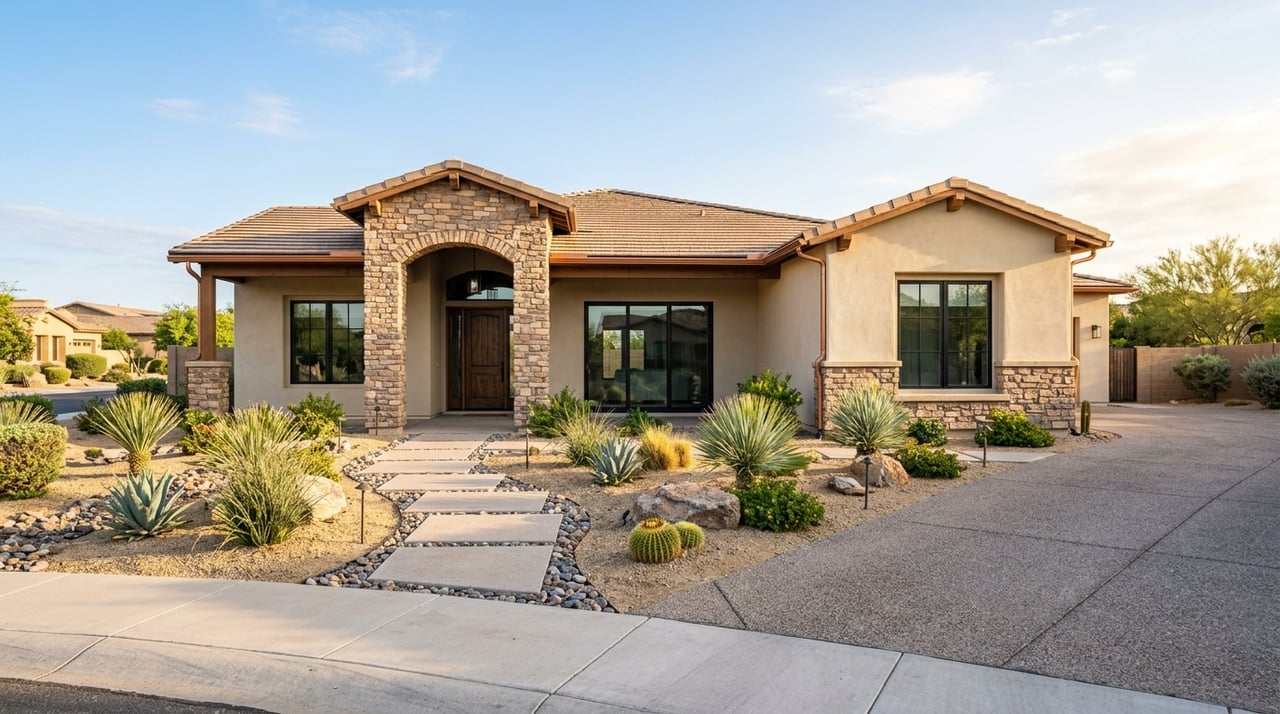
Residential planning in Washington leans suburban and master planned. The city says single-family detached homes are expected to remain the dominant housing type, while denser housing should be placed closer to major roads and everyday destinations.
The plan also encourages a variety of housing types within neighborhoods and calls for gradual transitions rather than abrupt density changes. For buyers, that can translate into neighborhoods that feel more cohesive and intentionally designed.
This is also where parks and trails come back into the picture. In some of Washington’s newer areas, development is not just about streets and rooftops. It is also about connecting residents to outdoor amenities and daily-use spaces.
A Good Example of Connected Planning
Shooting Star Park is a simple but helpful example. The city describes it as being in a brand-new neighborhood where residents can walk or bike there in minutes.
That detail says a lot about the local planning pattern. In Washington, some newer neighborhoods are being built with everyday access in mind, which can support a more connected and convenient routine.
Who Washington May Appeal To
Because of its mix of owner-occupied housing, broad age range, local retail, and outdoor amenities, Washington can appeal to a wide range of buyers. Some people are drawn to the shorter commute patterns and convenient errand access. Others are focused on trail networks, parks, and the feel of newer planned neighborhoods.
It can also be a practical place to consider if you are relocating within Southern Utah or moving in from out of the area. The combination of local convenience and steady growth often makes Washington worth a closer look.
Final Thoughts on Everyday Living
Washington offers a lifestyle that feels grounded in the basics people use most: convenient routes, local shopping, parks, trails, and neighborhoods planned around connectivity. It is a fast-growing city, but the daily experience still centers on practical livability.
If you are considering a move to Washington or comparing Southern Utah communities, having local guidance can make a big difference. For personalized insight on neighborhoods, lifestyle fit, and available homes in Washington and the surrounding area, connect with Michelle Evans to schedule a consultation.
FAQs
What is everyday life like in Washington, Utah?
- Everyday life in Washington often centers on short commutes, local shopping, neighborhood parks, and access to a 19.1-mile paved trail network for walking, biking, and jogging.
How long is the average commute in Washington, Utah?
- Washington’s mean travel time to work is 18.2 minutes, which is slightly shorter than the Washington County average of 18.9 minutes and lower than Utah’s 22.0-minute average.
What parks and outdoor amenities are available in Washington, Utah?
- Washington has numerous parks with amenities such as pickleball, disc golf, splash pads, soccer, volleyball, trail access, picnic areas, and reservable pavilions, with park hours from 6 a.m. to 10 p.m.
Is Washington, Utah convenient for shopping and errands?
- Yes. Washington includes concentrated retail near Interstate 15, especially around Exit 10 and Exit 13, where residents have access to major everyday stores, dining, and service businesses.
What kinds of neighborhoods are found in Washington, Utah?
- Washington’s planning framework points to a suburban, master-planned pattern where single-family detached homes remain common, denser housing is placed closer to major roads and destinations, and newer neighborhoods often include nearby parks and trail connections.