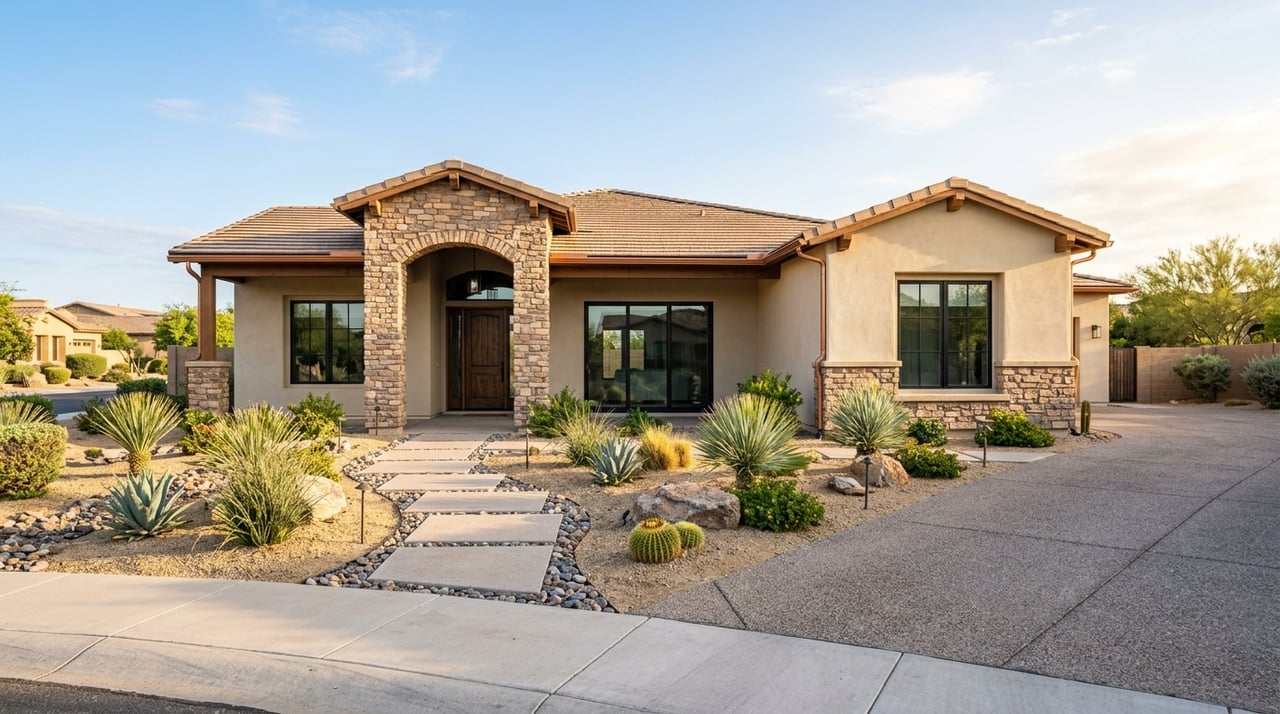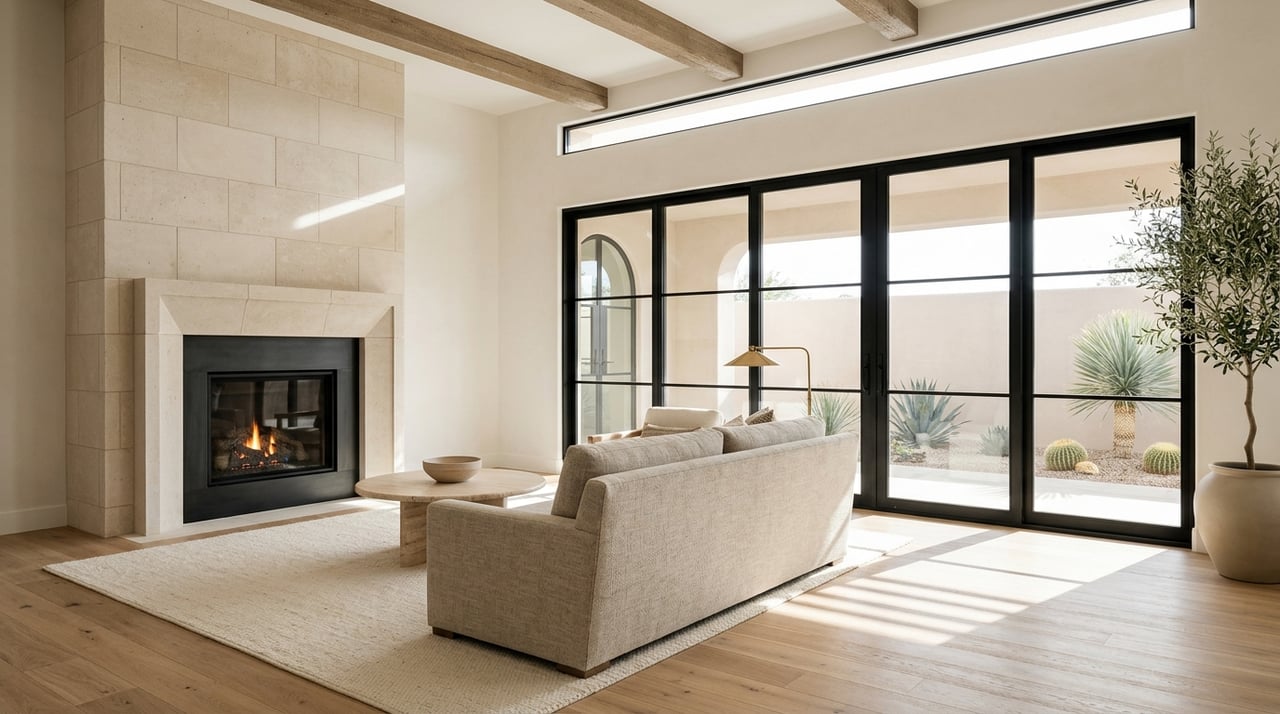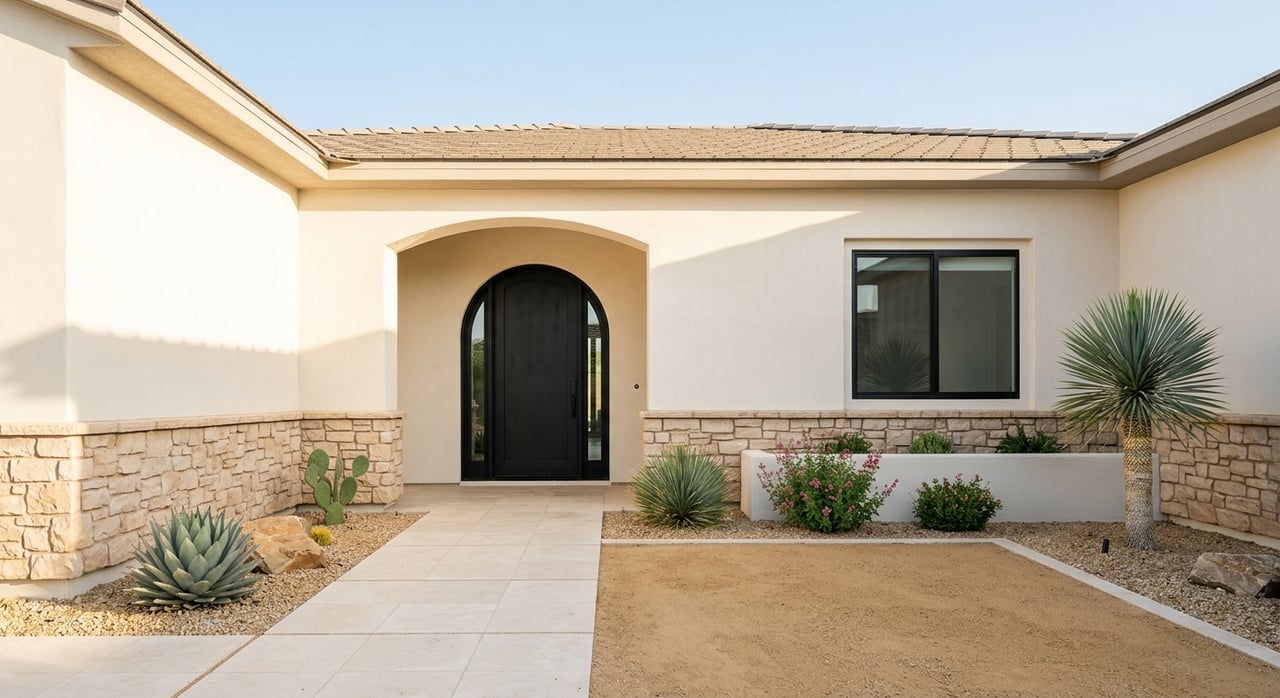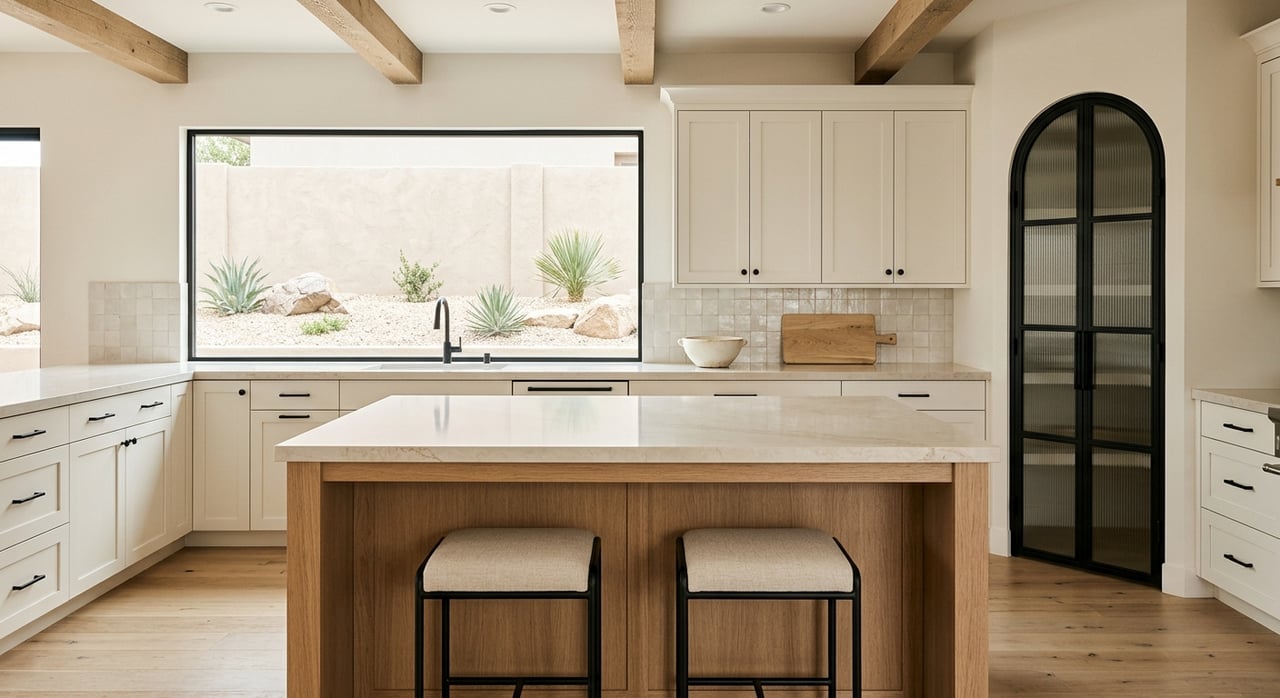
Thinking about buying new construction in Washington, Utah? It can be an exciting path to a home that feels fresh, efficient, and tailored to your needs, but it also comes with moving parts that many buyers do not see at first. If you understand how lot types, city approvals, utilities, timelines, upgrades, and warranties work in Washington, you can make a much more confident decision. Let’s dive in.
Why new construction in Washington stands out
Washington City is planning for continued growth around roads, water, sewer, schools, parks, and trails, and the city identifies the area as part of one of the fastest-growing regions in Utah. For you as a buyer, that means new construction is not a single type of product or a one-size-fits-all process.
Instead, you are more likely to find a broad mix of housing options depending on the neighborhood and zoning. That can include attached homes, smaller-lot single-family homes, larger detached homes, and custom-home opportunities in communities that may still be developing in phases.
What types of new homes you may see
Washington City’s planning and zoning framework allows for several home styles and density levels. In practical terms, that means your options may range from townhomes and duplex-style products to traditional single-family homes and larger custom-home lots.
Current builder activity reflects that variety. Builder offerings in Washington include townhomes, detached single-family homes, quick move-in inventory, and custom-home opportunities, which suggests buyers can choose between lower-maintenance living and more customized builds depending on their goals.
Attached vs. detached homes
If you want a lower-maintenance option, attached homes such as townhomes may be worth a look. These can be appealing if you prefer less exterior upkeep or want a simpler move-in path, especially when inventory homes are available.
If privacy, yard space, or customization matter more to you, detached homes or custom-home communities may be a better fit. These properties often offer more flexibility, but they can also involve more decisions, longer timelines, and closer review of the lot itself.
Lot conditions matter more than many buyers expect
Not every lot in Washington works the same way. The city says setbacks vary by zoning district, and easements or lot restrictions can require larger setbacks than the base ordinance.
That means a lot that looks spacious on paper may have more limits on where the home can actually sit. On steeper or view-oriented lots, buyers should also expect added considerations like topographic details, retaining walls, and utility placement.
How the local build process works
In Washington, the build process is tied closely to city review and utility coordination. The city requires new single-family construction applications and plans to go through its review system, and the submittal package includes builder and subcontractor license details, site plans, architectural and structural documents, water-conservancy paperwork, a landscaping and water-conservation form, ResCheck documents, truss documents, and a utility-service application.
That tells you something important: the lot, the plan set, and the utility setup need to line up early. A new build is not just about choosing a floor plan and watching the framing go up.
Inspections and final approvals
Washington City uses a structured inspection path for new residential construction. Inspection stages can include footing, foundation, underground plumbing, sewer lateral, slab, rough mechanical, rough electrical, rough plumbing, insulation, final inspection, and other sign-offs if needed.
Before a certificate of occupancy is issued, the city also requires documents such as a blower-door test, soils compliance letter, insulation certification, stucco certification, and termite certification. For townhomes, a maintenance agreement must also be uploaded before the certificate of occupancy can be released.
Utilities can affect move-in timing
One of the biggest surprises for buyers is that a home is not truly ready just because construction looks nearly complete. Washington City’s water service rules state that a new service connection requires evidence of a Water Commitment, and the owner is responsible for applicable fees, impact fees, charges, and deposits.
The city also states that it will not provide domestic water service to a permanent structure until the related water facilities have been accepted. In simple terms, your move-in date can depend on permits, plat status, utility acceptance, inspection sign-offs, and final city approval, not just the builder’s construction calendar.
How long new construction can take
Build timelines in Washington can vary quite a bit depending on what you buy. National Association of Home Builders data reported an average of 10.1 months to complete a single-family home in 2023, while homes built for sale averaged 8.9 months.
At the local level, Cedar Pointe Homes says its custom-home timeline is typically 10 to 16 months depending on design complexity, lot conditions, and customization. That gives you a useful frame of reference if you are comparing a custom build with a spec home or quick move-in option.
Quick move-in vs. from-scratch build
Some Washington builders market homes that are ready now or nearly complete. That can be a strong option if you need a shorter move window or want more certainty around timing.
A from-scratch or heavily customized build gives you more control over the home, but usually requires more patience. If timing is important, it helps to decide early whether your priority is customization or speed.
Pricing, upgrades, and budget surprises
The base price on a new home is only part of the story. Many buyers find that the real budget comes into focus after they review what is included, what counts as an upgrade, and whether any lot-specific costs are still outstanding.
This is especially important in Washington, where utility coordination, impact fees, lot conditions, and community-specific requirements can affect the total cost. Even if the advertised price looks competitive, you will want to understand the full picture before signing.
Why change orders can slow things down
Finish selections and plan changes often affect both cost and timing. Realtor.com notes that delayed finish decisions or change orders can significantly prolong construction, which is why it helps to sort out structural options, floor-plan changes, and finish allowances as early as possible.
If you are buying a custom or semi-custom home, this step matters even more. Clear early decisions can reduce stress and make the build process more predictable.
HOA dues and community obligations
Some new homes in Washington may come with HOA dues or community maintenance obligations. This is especially relevant for townhomes, since Washington City requires a maintenance agreement before a townhome certificate of occupancy is released.
When you compare homes, ask about monthly dues, maintenance responsibilities, and any rules tied to the community or product type. Those details can shape your total monthly cost and your long-term ownership experience.
Financing and deposits to understand
New construction often involves upfront money before the home is finished. The Consumer Financial Protection Bureau says builders may ask for an upfront builder deposit or earnest money on a not-yet-built home, and buyers should ask when that money is refundable.
That question is worth asking in plain language and getting in writing. It is one of the simplest ways to understand your risk if timing changes, financing shifts, or the home is delayed.
You can shop for your lender
The CFPB also states that you do not have to use the builder’s preferred lender. Even if a builder presents an in-house or preferred financing option, you can still compare rates, terms, and closing costs with other lenders.
That flexibility can matter a lot over the life of your loan. It also gives you a clearer sense of whether a builder incentive is truly valuable or just offset by less favorable financing terms.
Warranty basics every buyer should know
A lot of buyers assume a new home warranty covers everything. In reality, the Federal Trade Commission says a builder warranty is different from a home warranty or service contract.
A builder warranty generally covers permanent parts of the home and usually comes with the new construction purchase. A home warranty, by contrast, is typically a paid service contract that may cover selected systems or appliances.
Typical builder warranty structure
According to the FTC, new-home warranties commonly follow a pattern such as:
- 1 year for workmanship and materials
- 2 years for systems like HVAC, plumbing, and electrical
- Up to 10 years for major structural defects in some cases
Coverage can vary, and many warranties do not cover appliances, many cosmetic issues, or the cost of living elsewhere during repairs. That is why reading the written warranty carefully is so important.
Ask how claims and disputes work
The FTC also notes that many warranties route disputes through mediation or arbitration. If you are comparing builders, ask how warranty claims are submitted, who manages the process, and how repair timelines are handled.
If your financing is FHA- or VA-backed, the FTC says builders must buy third-party warranties for newly built homes. That is another detail to confirm early so you know exactly what protections apply.
Smart questions to ask before signing
Before you commit to a new construction contract in Washington, take time to review the builder, the lot, and the paperwork. Utah’s residential construction agreement references DOPL license verification, and Washington City’s permit and setback guidance show why lot-specific details are so important.
A careful review now can help you avoid surprises later. These are some of the most important questions to ask:
- What is included in the base price?
- Which items are upgrades?
- Is the lot fully improved?
- Are any utility extensions, impact fees, or city charges still outstanding?
- What is the realistic build window for this lot and plan?
- What warranty covers the home, and how does the claims process work?
- Are there HOA dues or maintenance agreements?
- Can you use your own lender?
- Can you use your own inspector?
The CFPB also recommends making a purchase offer contingent on financing and a satisfactory inspection. For new construction, that can be especially helpful when the home is still subject to design choices, utility acceptance, municipal approvals, and final punch-list work.
The key tradeoff: speed or customization
In Washington, the biggest new construction tradeoff is often speed versus control. Quick move-in homes can reduce the wait and may offer more certainty around timing, while custom and semi-custom homes usually give you more say in design, lot use, and finishes.
Neither option is automatically better. The right fit depends on your timeline, budget, tolerance for decisions, and how much personalization you want in the final home.
If you are weighing a townhome, production home, or custom build in Washington, having local guidance can make the process much easier to navigate. When you want clear insight on neighborhoods, builders, lot considerations, and the full buying process, connect with Michelle Evans for thoughtful, personalized support.
FAQs
What types of new construction homes are available in Washington, Utah?
- Washington buyers may find townhomes, smaller-lot single-family homes, detached homes, and custom-home opportunities, depending on the neighborhood, zoning, and builder.
What can delay a new construction closing in Washington, Utah?
- Delays can come from permit review, inspection sign-offs, utility acceptance, plat status, finish changes, and final city approval for occupancy.
Do new construction homes in Washington, Utah always include a warranty?
- New homes often include a builder warranty, but coverage varies, so you should read the written warranty closely to understand what is covered, for how long, and how claims are handled.
Can you use your own lender for new construction in Washington, Utah?
- Yes. The CFPB says buyers do not have to use the builder’s preferred lender, so it is worth comparing loan options.
Why do lot details matter for new construction in Washington, Utah?
- Setbacks, easements, slope, retaining wall needs, and utility placement can all affect how a home fits on the lot and what additional costs or constraints may apply.