Wondering if downsizing in St. George will actually simplify your life, or just trade one set of responsibilities for another? That is a fair question, especially in a market where the median sale price is $517,500 and many buyers are not simply looking for less space, but for a home that fits their lifestyle better. If you want a move that lowers maintenance, supports the way you live, and makes smart use of your equity, this guide will help you think it through. Let’s dive in.
What downsizing means in St. George
In St. George, downsizing often has less to do with giving things up and more to do with choosing carefully. You may want less square footage, but still need room for guests, hobbies, storage, or an extra garage bay for outdoor gear.
That matters in today’s market. With Washington County reporting a median sales price of $517,500 and Realtor.com showing roughly 1,410 active listings in St. George, you have options, but your decision should be grounded in how you want to live day to day.
A right-sized move can mean using your equity to improve your monthly expenses, reduce upkeep, or shift toward amenities that support your routine. For many homeowners, that is the real goal.
Why maintenance matters more here
St. George’s climate plays a big role in what “easy living” actually means. NOAA climate normals show average annual precipitation of 9.31 inches, average annual snowfall of 1.2 inches, and July average highs near 101.9 degrees.
In practical terms, your next home should be evaluated for more than square footage. Irrigation needs, shade, HVAC demand, and exterior materials can all affect comfort, utility costs, and ongoing maintenance.
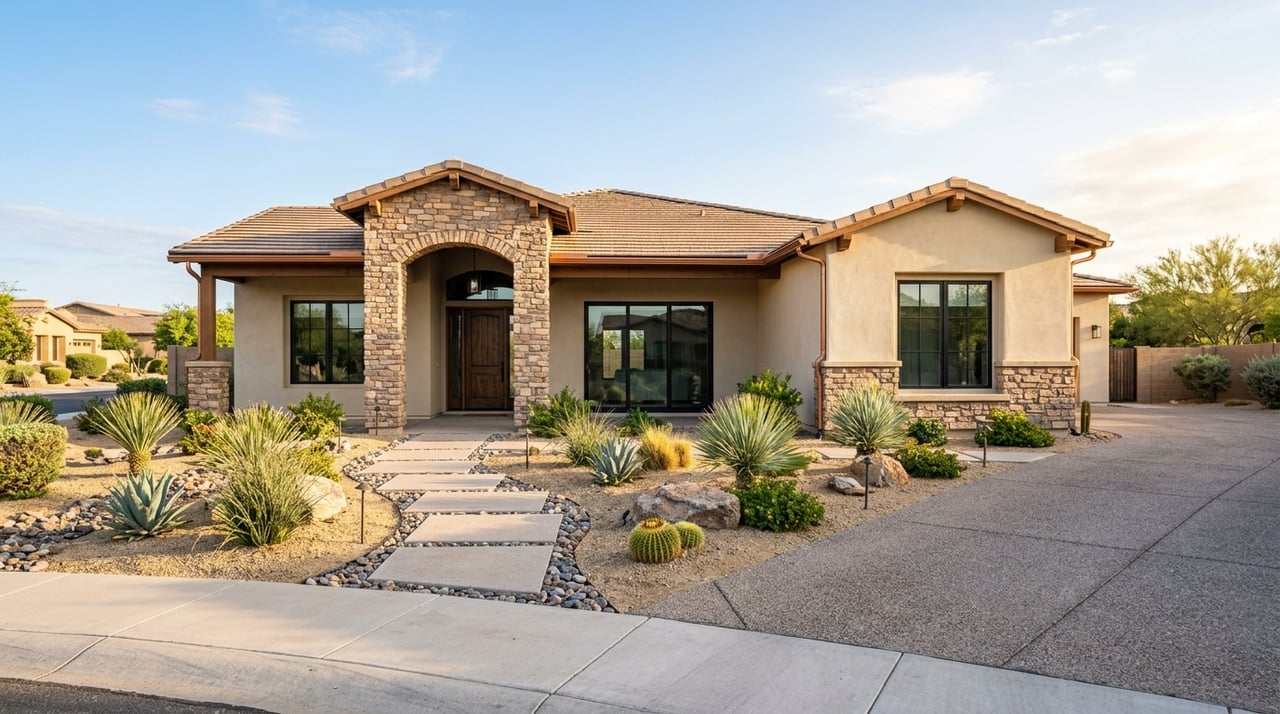
Utah’s Division of Water Resources also emphasizes conservation, efficiency, and drought planning. So if you are trying to simplify, a smaller home with a water-conscious yard and manageable outdoor spaces may offer more value than a larger property that still feels like work.
Start with your daily lifestyle
Before you compare listings, think about how you actually use your current home. Many downsizers realize they do not need formal spaces they rarely enter, but they still want a guest bedroom, a home office, or a place for hobbies.
Ask yourself a few practical questions:
- Do you want space for visitors to stay comfortably?
- Do you need a hobby room, office, or flexible bonus space?
- How much garage storage do you need?
- Do you want room for an RV or outdoor equipment?
- Would you prefer community amenities over private yard maintenance?
These answers can shape your search more than total square footage. In St. George, downsizing often means finding a better layout, not simply a smaller house.
Explore home types that fit
One of the advantages of right-sizing in St. George is the variety of available home styles. Depending on your goals, you might find the best fit in a detached home, townhome, condo, or an age-restricted community.
For example, Desert Color includes single-family homes, townhomes and condos, apartments, vacation rentals, and a 55+ section. Its active-adult homes range from 1,425 to 3,294 square feet, with 2 to 5 bedrooms, 2.5 to 3.5 baths, and 2 to 4 car garages, including RV options in some cases.
That range is a good reminder that downsizing does not always mean giving up function. You may still be able to keep guest space, storage, or hobby areas while reducing the parts of homeownership that feel burdensome.
Consider 55+ living carefully
For some buyers, a 55+ community is the clearest path to a lower-maintenance lifestyle. Regency at Desert Color offers a 55+ setting with four collections and 14 home designs, along with a resort-style amenity center.
SunRiver St. George is another well-known option. Established in 1998, it includes a 35,000-plus square-foot community center, an 18-hole championship golf course, a restaurant, and more than 60 clubs and social groups, along with pools, fitness classes, pickleball, trails, pottery, woodworking, and tennis.
For many people, this type of move is less about shrinking and more about shifting. You may be replacing private maintenance and underused rooms with amenities and activities that support the life you want now.
Know the HOA tradeoffs
A low-maintenance community can be appealing, but you still need to understand what the HOA actually covers. According to the Utah Department of Commerce, HOA assessments commonly pay for landscaping, snow removal, trash collection, shared-space upkeep, insurance, and reserve funding for future repairs.
That sounds helpful, but not every HOA offers the same value. The real question is whether the dues support a well-run community with solid reserve planning, or whether the lower-maintenance promise could be offset by future costs.
The Utah homebuyer checklist advises buyers to review:
- Monthly and other scheduled fees
- Special assessments
- Reserve balances
- Reserve-analysis timing
- Design rules
- Rental restrictions
- Common-area responsibilities
- The condition of shared amenities and infrastructure
Utah also requires HOAs to conduct a reserve study every 6 years and update the reserve analysis every 3 years. If you are downsizing to simplify, this due diligence matters.
Understand age-restriction rules
If you are considering a 55+ community, it helps to know how those rules work. Utah’s HOA guidance explains that communities using Housing for Older Persons Act standards must meet an 80% occupancy threshold, maintain written policies, and use reliable age-verification procedures.
Just as important, the 55+ designation applies to permanent residency, not ordinary family visits. In other words, guest visits may be allowed, but you should still confirm the specific community’s rules before you make an offer.
This is especially important if you expect grandchildren or other family members to visit often. A quick review of guest and occupancy policies can help you avoid surprises later.
Look beyond price per square foot
It is easy to compare homes by size and list price, but that does not always tell you which one is the better fit. The better question is whether the home supports the life you want with fewer complications.
A slightly larger home may still make sense if it offers the right storage, a more efficient floor plan, or garage space that keeps you organized. On the other hand, a smaller home may not feel like a win if it creates clutter or leaves you short on flexible space.
When you tour homes in St. George, pay close attention to:
- Layout efficiency
- Garage and storage capacity
- Yard size and irrigation needs
- Shade and sun exposure
- Exterior upkeep requirements
- Amenity access
- HOA limits on exterior changes
Those details often have a bigger effect on daily comfort than square footage alone.
Keep healthcare access in mind
For many downsizers and relocators, convenience also includes access to medical care. Intermountain St. George Regional Hospital is a 284-bed major referral center for southern Utah and serves as a Level II trauma center.
That may not be the first thing you think about when touring homes, but it can be part of choosing a location that supports long-term peace of mind. A right-sized move should make life easier in practical ways as well as financial ones.
Build a downsizing plan that works
A successful downsizing move usually starts before you ever list your home or write an offer. The clearest path is to define what you want more of, not just what you want less of.
That may include less yard work, fewer unused rooms, easier upkeep, or better access to amenities. It may also include keeping the things that still matter, like guest space, storage, or room for travel gear and hobbies.
A simple framework can help:
- Identify what you no longer use in your current home.
- List the features you still need every week.
- Separate must-haves from nice-to-haves.
- Compare ownership costs, not just sale prices.
- Review HOA documents and community rules early.
- Think about lifestyle, location, and convenience together.
When you approach downsizing this way, you are much more likely to end up with a home that feels easier, not smaller.
Right-sizing in St. George should feel like a smart next step, not a compromise. If you want local guidance on neighborhoods, 55+ options, low-maintenance homes, or the best way to use your current equity in this market, Michelle Evans can help you move forward with clarity and confidence.
FAQs
What does downsizing in St. George usually mean?
- In St. George, downsizing often means choosing a home with a better layout, lower upkeep, and lifestyle-friendly features rather than simply buying the smallest home possible.
What should you look for in a low-maintenance St. George home?
- You should review yard size, irrigation needs, shade, HVAC demands, exterior materials, garage storage, HOA coverage, and the condition of shared amenities.
What do HOA fees often cover in Utah communities?
- According to the Utah Department of Commerce, HOA assessments commonly cover items such as landscaping, snow removal, trash collection, shared-space upkeep, insurance, and reserve funding for future repairs.
What should you review before buying in a 55+ community in St. George?
- You should confirm the community’s age-restriction rules, guest policies, fee schedules, reserve planning, special assessments, design rules, and what the HOA is responsible for maintaining.
Are 55+ communities in Utah allowed to have visiting family members?
- Utah guidance notes that 55+ rules apply to permanent residency rather than ordinary family visits, but you should always verify the specific guest policies of the community you are considering.
Why is climate important when downsizing in St. George?
- St. George’s hot, semi-arid climate can affect irrigation, cooling needs, and exterior maintenance, so a home that looks smaller on paper may still require more upkeep than expected.