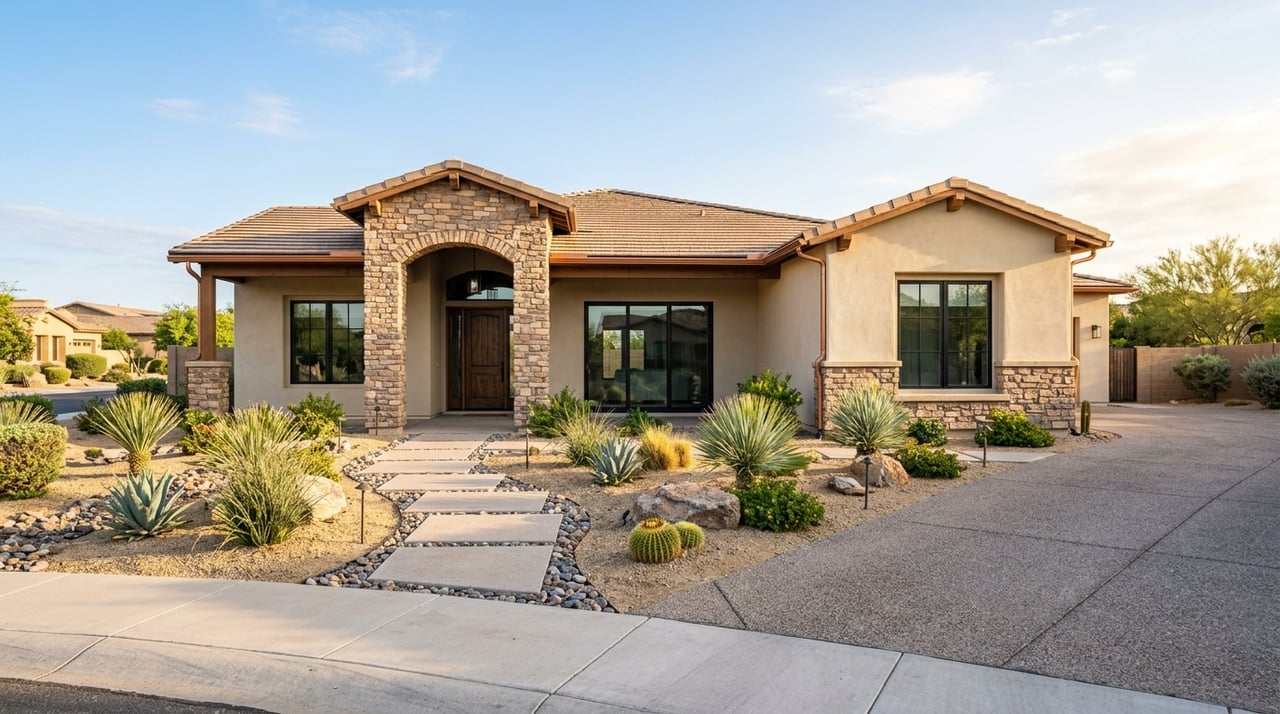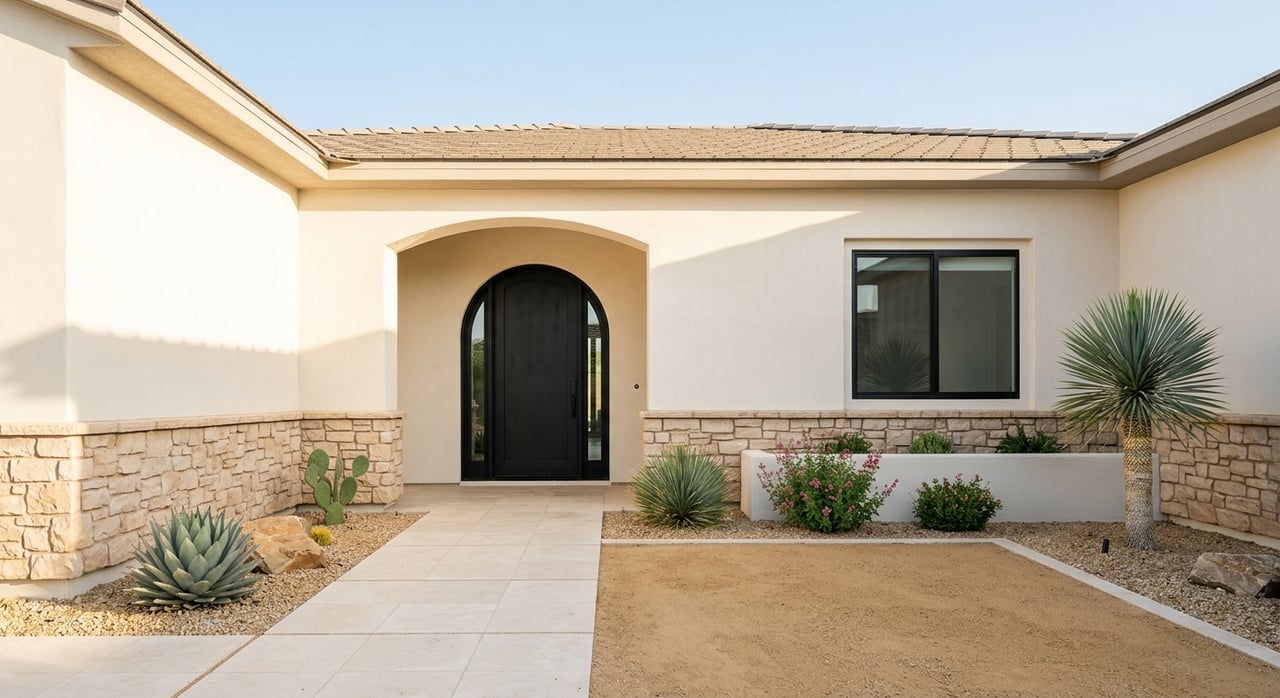
Thinking about buying a home in St. George without being here in person? You are not alone, and the process is more doable than many buyers expect. With the right local guidance, clear timelines, and strong due diligence, you can move from search to closing with confidence from out of town. Let’s walk through how remote home buying works in St. George, Utah.
Remote home buying is possible in Utah
Utah’s standard Real Estate Purchase Contract allows electronic signatures with the same legal effect as original signatures. Seller disclosures may also be delivered in hard copy or electronic form, which helps keep the process moving even when you are states away.
Utah also has a remote notarization framework for documents that require notarization. In practical terms, that means many parts of your purchase can be handled off-site, including reviewing documents, signing contracts, and completing key paperwork.
Start with clear representation and communication
When you are buying remotely, your local agent becomes your eyes, ears, and coordinator on the ground. That role matters because Utah requires written disclosure of agency relationships before a binding purchase agreement, and a buyer’s agent owes duties that include loyalty, full disclosure, confidentiality, reasonable care, and safe handling of money or property.
The Utah Division of Real Estate encourages buyers to ask how the process works from start to finish, how showings are handled, how offers work, what happens during inspections and closing, and how communication will be managed. For a remote buyer, those questions are essential because smooth communication is what keeps the transaction on track.
A strong remote-buying plan should include:
- How you will tour homes, such as live video walkthroughs
- How documents will be shared and signed
- Who will schedule inspections and vendor visits
- How deadlines will be tracked
- What the response time will be for questions and updates
How offers work from a distance
Buying remotely does not mean the process is informal. In Utah, the purchase contract runs on firm deadlines, and time is of the essence.
Acceptance happens only when the offer or counteroffer is signed and communicated. If the seller does not accept by the stated deadline, the offer expires and the earnest money is returned.
Once your offer is accepted, you must deliver earnest money within four calendar days. After that, the brokerage has four calendar days to deposit it into the trust account.
For remote buyers, this means preparation matters. Before you make an offer, you should be ready with your financing strategy, your decision-making criteria, and your communication plan so you can act quickly when the right property appears.
Due diligence is your protection window
If there is one stage that matters most in a remote purchase, it is due diligence. This is your window to review the property, investigate concerns, and decide whether to move forward.
Utah’s contract gives buyers the ability to review a wide range of documents and property details. Depending on the property, seller disclosures may include:
- Property condition disclosures
- Lead-based paint disclosures for homes built before 1978
- Title commitment
- CC&Rs
- HOA minutes, budgets, and financial statements
- Existing leases
- Short-term rental booking schedules
- Property management agreements
- Water rights or water shares
- Known environmental or zoning issues
Your own due diligence can also cover the home’s physical condition, roof and foundation, major systems, square footage, insurance questions, flood insurance, water source and quality, property lines, utility costs, HOA dues, and regulatory restrictions.
If you are not satisfied, you may cancel or resolve objections in writing by the due-diligence deadline. If that deadline passes without action, your earnest money can become non-refundable.
Why inspections matter even more remotely
A remote purchase should never feel like buying blind. Instead, it should feel like buying with a structured local system that helps you verify what you cannot see in person.
This is where inspections become especially important. An inspection helps you understand the property’s actual condition so you can decide whether to proceed, request repairs, renegotiate, or cancel before your deadlines pass.
For remote buyers, a local advisor can help by:
- Scheduling inspectors and access appointments
- Gathering reports and photos
- Walking you through findings in plain language
- Helping you decide what issues are major or minor
- Coordinating next steps before contract deadlines
That kind of support can be especially valuable if you are relocating, buying a second home, or comparing several homes from afar.
How appraisal fits into the process
Appraisal and inspection are related, but they are not the same thing. An appraisal is used to estimate value, often for financing purposes, while an inspection focuses on condition.
According to Utah’s residential appraisal guidance, an appraisal may or may not require an interior inspection. If an interior visit is needed, the appraiser will coordinate access with the homeowner, agent, or seller.
If your contract includes an appraisal condition and the property appraises below the purchase price, you may be able to cancel by the financing and appraisal deadline if you provide the required notice. For remote buyers, this makes it important to understand your appraisal timeline early and keep close track of contract dates.
St. George details remote buyers should watch closely
St. George and the surrounding Washington County area have a few local details that deserve extra attention when you are not nearby.
Water and land issues
In Southern Utah, water-related details can be a meaningful part of a property review. Utah’s purchase contract specifically includes water rights and water shares among the items a seller may need to disclose, and it treats water source, availability, and quality as part of buyer due diligence.
This can matter even more if you are looking at larger lots, properties on the edge of town, or homes where land features are part of the appeal. When you are buying remotely, you want to verify these details early rather than assume they will sort themselves out later.
HOA and rental restrictions
If you are buying a second home, vacation property, or investment property, HOA rules and rental restrictions should be reviewed carefully. The Utah contract can require delivery of CC&Rs, HOA minutes, budget and financial statements, leases, property management agreements, and short-term rental booking schedules.
The contract also limits new short-term rental bookings after the seller-disclosure deadline without buyer consent. That makes document review especially important if rental income or flexibility is part of your plan.
Property taxes by parcel
Property taxes in Washington County should be verified at the parcel level, not guessed from a citywide average. The county notes that tax rates vary by school district, city, special service district, and other local taxing jurisdictions.
For a remote buyer, this is one of the simplest ways to confirm your likely carrying costs before you commit. It is a small step that can prevent big surprises later.
What happens at closing
Closing is still a formal legal and financial event, even when much of the process happens remotely. Under Utah’s purchase contract, items like HOA dues, property taxes, and rents are prorated as of the settlement deadline, and utility responsibility shifts to the buyer after settlement.
Possession is delivered upon recording unless the contract states a different possession arrangement. Because electronic signatures are recognized in Utah, many closing documents can be signed remotely, while notarized documents may be handled through Utah’s remote notarization process when allowed.
Recording and timing in Washington County
Washington County provides access to property records, property-watch tools, interactive maps, and e-recording services. That helps support a smoother closing process for buyers who are not in town.
There is also a timing issue to keep in mind. Washington County does not accept recordings after 4:45 p.m. Mountain Time, so same-day remote closings should leave enough time for document processing and final recording steps.
Before closing, it is smart to confirm:
- How the final recording will be handled
- Whether any documents need notarization
- What fees will be due at settlement
- Whether survey or boundary information needs review
Washington County also files records of survey online, which can be useful if boundary questions come up during your review.
A simple remote buying roadmap
If you are planning to buy from out of area, this basic sequence can help you stay organized:
- Choose a local St. George advisor and set communication expectations.
- Tour properties remotely through live video and shared information.
- Prepare your offer strategy and understand contract deadlines.
- Deliver earnest money on time after acceptance.
- Review disclosures, title items, HOA documents, and other due-diligence materials.
- Coordinate inspections and appraisal.
- Resolve objections, negotiate, or cancel before deadlines if needed.
- Confirm settlement figures, signing steps, and recording timing.
- Close and record the transaction.
Why local coordination matters most
The legal tools for remote home buying are already in place in Utah. What makes the process work well is having someone local who can help manage the details that still happen on the ground.
That includes coordinating inspections, keeping deadlines front and center, helping you interpret disclosures, and making sure key questions are answered before you close. In a market like St. George, where buyers may be relocating, purchasing a second home, or buying for investment, that local support can make the process feel clear instead of overwhelming.
If you are considering a move, second home, or investment purchase in Southern Utah, Michelle Evans offers the responsive, high-touch local guidance that can help you buy with confidence from wherever you are.
FAQs
How does remote home buying work in St. George, Utah?
- Remote home buying in St. George works by using electronic signatures, electronic document delivery, and, when needed, Utah’s remote notarization framework, while your local team coordinates inspections, deadlines, and closing steps on the ground.
Can you sign real estate documents remotely in Utah?
- Yes. Utah’s standard Real Estate Purchase Contract allows electronic signatures with the same legal effect as original signatures.
What is the most important deadline in a remote Utah home purchase?
- Several deadlines matter, but the due-diligence deadline is especially important because it is your main window to review disclosures, inspect the property, raise objections, negotiate solutions, or cancel.
What should remote buyers review for St. George properties?
- Remote buyers should review seller disclosures, title materials, HOA documents, rental restrictions, property taxes for the specific parcel, and any water-related details such as water source, availability, quality, water rights, or water shares.
Do remote buyers still need a home inspection in St. George?
- Yes. A home inspection is one of the best ways to understand the property’s condition when you are not there in person and to decide whether to move forward before your contract deadlines expire.
What should remote buyers know about closing in Washington County?
- Remote buyers should confirm how recording will be handled, whether any documents need notarization, what fees are due at settlement, and how the closing timeline fits with Washington County’s 4:45 p.m. Mountain Time recording cutoff.