Curious if there is a smart way to lower your first couple of mortgage payments in Washington, UT? A 2-1 buydown can give you breathing room in years one and two without changing your long-term rate. If you are comparing options this winter, you want clear answers on how it works, who pays, and whether it fits your plan. This guide explains the mechanics, real savings, negotiation tips, and local context so you can move forward with confidence. Let’s dive in.
2-1 buydown in plain English
A 2-1 buydown is a temporary interest-rate subsidy on a fixed-rate mortgage. Your interest rate is reduced by about 2 percentage points in year 1 and 1 percentage point in year 2. In year 3 and beyond, the rate returns to the original note rate. The subsidy is paid upfront at closing and held for the lender to draw against while your payment is reduced.
This setup does not change your note rate. It only lowers your monthly payment for the first two years. The upfront subsidy can be paid by the seller, the builder, you as the buyer, or, in some cases, offset by lender credits. Lenders usually require the funds to be documented and reserved, often in an escrow or trustee account.
Temporary vs. permanent buydowns
- Temporary buydown: Lowers your payment for a set short period, usually 1 to 3 years. Your payment steps up when the subsidy ends.
- Permanent buydown (discount points): You or another party pays points to lower the interest rate for the life of the loan.
- Key idea: Temporary buydowns help short-term cash flow. Permanent points help long-term payment and interest savings.
How lenders qualify you
Underwriting treatment varies by lender and loan program. Some lenders will let you qualify based on the reduced payment during the buydown period. Many others require you to qualify at the full note-rate payment that begins in year 3. Always get written confirmation from your lender on how you will be qualified before you rely on a buydown in your offer terms.
The practical takeaway is simple. Even if your year-one payment will be lower, you may still need to show you can afford the higher payment once the buydown ends. Ask for that assumption in writing as part of your pre-approval or loan estimate.
Program rules and limits
- Seller-paid buydowns count as seller concessions. Each loan program sets its own cap on concessions and how they can be used.
- Lenders typically require buydown funds to be documented and held with clear disbursement instructions.
- Confirm how the buydown impacts disclosures, APR, and your rate lock. Your lender should explain how the subsidy appears on your Closing Disclosure.
Who pays and how to negotiate in Washington
You have several ways to structure payment of the subsidy:
- Builder or seller pays as an incentive to make a home more marketable.
- Buyer pays at closing to reduce early payments.
- Lender credits may offset some or all of the cost in promotional programs.
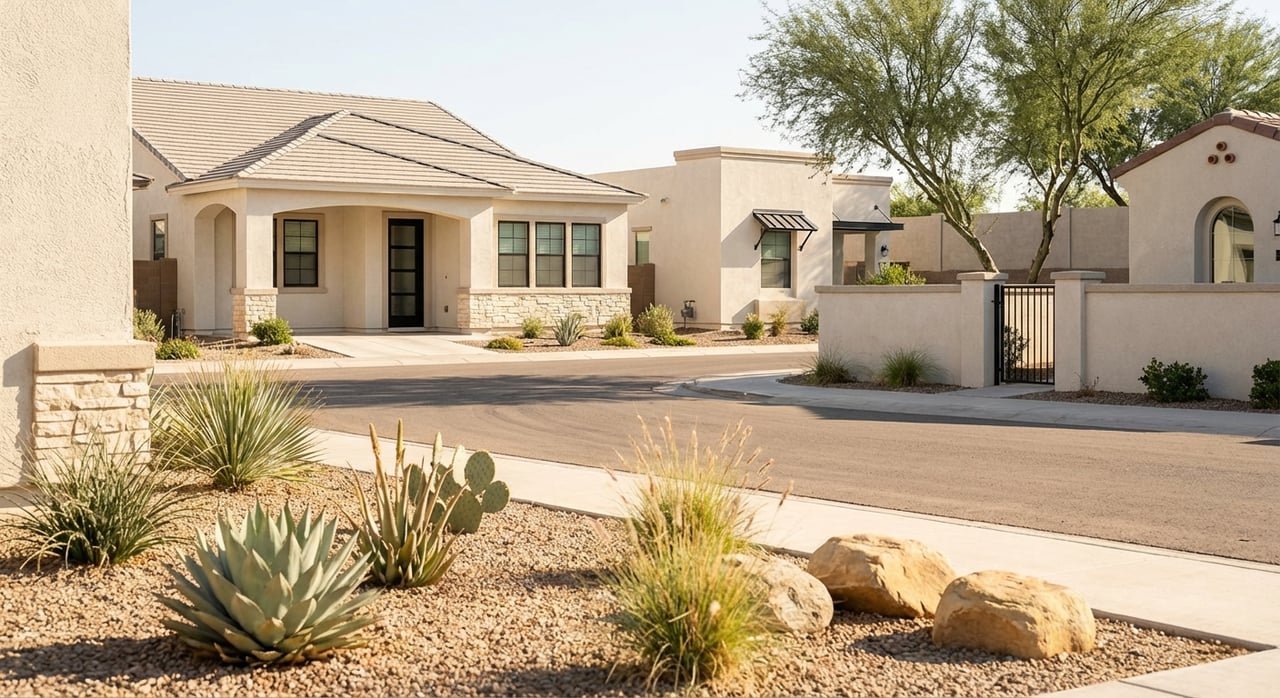
In Washington City and the broader St. George area, new construction has been active in recent years, and builders often use incentives to attract buyers. Seasonal slowdowns can also create leverage. During winter, sellers and builders may be more open to temporary rate incentives to keep deals moving. Ask builder sales offices and listing agents directly about current buydown offers, and compare options with local lenders in Washington County.
Contract tips you can use
- Spell out the buydown in the purchase agreement: who pays, the exact amount, and that the lender must approve it.
- Make the buydown contingent on lender approval and underwriting.
- Allow enough time for lender approval and for funds to be deposited into the required escrow account before closing.
Real-world savings example
Here is a simple illustration using rounded numbers. Your actual results will depend on your loan amount, rate, and lender calculations.
Assumptions:
- Loan amount: $400,000
- Loan type: 30-year fixed
- Note rate: 6.00% (the long-term rate for years 3 and beyond)
- 2-1 buydown schedule: Year 1 at 4.00%, Year 2 at 5.00%, Year 3+ at 6.00%
Approximate monthly principal and interest payments:
- Year 1 at 4.00%: about $1,910 per month
- Year 2 at 5.00%: about $2,147 per month
- Years 3+ at 6.00%: about $2,399 per month
Estimated savings compared with paying the 6.00% note-rate payment from day one:
- Year 1 saving: about $489 per month, roughly $5,868 total in year 1
- Year 2 saving: about $252 per month, roughly $3,024 total in year 2
- Approximate two-year subsidy required: about $8,892
This shows how the upfront subsidy is calculated. Lenders add up the monthly differences between the note-rate payment and the reduced payments during the buydown period. Some may use a present-value method or add small fees, so ask your lender to show the worksheet.
When a 2-1 buydown makes sense
- You want short-term payment relief, such as starting a new job or expecting income growth.
- The seller or builder is willing to fund the buydown as a concession.
- It is a slower season in Washington and concessions help the deal come together.
- You are buying new construction where incentives are common and easy to structure.
When it may not fit
- You want a lower interest rate for the entire loan term. Consider discount points instead.
- You cannot qualify at the payment that begins after the buydown ends. Many lenders will not approve the loan.
- You plan to sell quickly. If you exit during the buydown period, weigh whether the subsidy is worth it. Seller-paid subsidies usually are not refunded to you later.
- Seller concessions are already near the program cap. A buydown could push you over the limit.
Alternatives to consider
- Permanent rate buydown with discount points to reduce the long-term rate.
- Lender credits to offset closing costs in exchange for a slightly higher rate.
- Adjustable-rate mortgage to start with a lower initial rate, while accepting future rate risk.
- Increasing your down payment to lower your monthly payment without a subsidy.
- Exploring state or local buyer programs that may offer lower rates or credits.
Questions to ask your lender and agent
Ask these specific, documented questions before relying on a buydown:
- Will you accept a 2-1 buydown for this loan product? Please confirm in writing (loan estimate or pre-approval addendum).
- How will you qualify me? (Will you qualify at the note rate, the reduced rate for year 1, or another test?)
- Exactly how is the buydown funded and where will the funds be held? (Name the escrow/trust account and explain release mechanics.)
- How much is the total upfront subsidy required? Show the math or lender worksheet.
- Will the seller-funded buydown be counted toward seller concession limits for this loan program?
- Will the buydown affect my APR disclosure, rate-lock eligibility, or any lender credits? If so, how?
- Are there any tax implications I should consider (deductibility of points)? (Advise buyers to consult a tax professional.)
- If the loan is assumed, modified, or the property sells before year 3, how are remaining buydown funds handled?
- Provide a sample Closing Disclosure showing the buydown line items.
Recommended contract language items (work with your agent):
- Specify the exact amount of the buydown payment, the party responsible (seller, builder), and that the lender must approve the arrangement.
- Require proof of funds to fund the buydown at closing and an escrow/disbursement plan.
- Make buydown funding contingent on lender approval and the buyer’s ability to obtain financing with those terms.
Washington buyer next steps
If you are shopping in Washington or nearby St. George communities, a 2-1 buydown can be a practical way to ease your first two years of payments, especially when sellers or builders are open to concessions. The right move depends on your income timeline, how long you plan to hold the loan, and program rules for your specific mortgage.
You do not have to figure it out alone. For local comparisons, help structuring a clean contract, and warm introductions to trusted lenders and builders, connect with Michelle Evans. Schedule a Consultation to map out a plan that fits your goals this winter.
FAQs
What is a 2-1 buydown and how does it work?
- A 2-1 buydown is a temporary subsidy that lowers your rate by about 2 percentage points in year 1 and 1 percentage point in year 2, then returns to your note rate in year 3.
How much does a 2-1 buydown cost on a $400,000 loan?
- Using a 6.00% note rate example, the two-year subsidy is roughly $8,892, based on monthly payment differences during the first two years.
Who can pay for a 2-1 buydown in Washington, UT?
- The subsidy can be funded by a builder, the seller, you as the buyer, or through certain lender credits, subject to program rules and documentation.
Will a 2-1 buydown help me qualify for the loan?
- It depends on the lender. Some qualify at the reduced payment, while many require you to qualify at the full note-rate payment you will pay after the buydown ends.
Is winter a good time to request a buydown in Washington?
- It can be. Seasonal slowdowns often make sellers and builders more open to concessions like a 2-1 buydown, especially in active new-construction areas.