Choosing a new-build in Hurricane can feel exciting and a little overwhelming. You want the outdoor lifestyle and fresh finishes, but you also want to pick a community that fits your plans for daily life and long-term value. In this guide, you’ll learn how to compare neighborhoods, evaluate specific lots, understand builder differences, and avoid common contract pitfalls. Let’s dive in.
Why Hurricane attracts new-home buyers
Hurricane is growing quickly. The U.S. Census estimates the city’s population at 24,753 as of July 1, 2024, with strong countywide growth across Washington County that continues to draw new development. You’ll see a range of new communities and price points as a result.
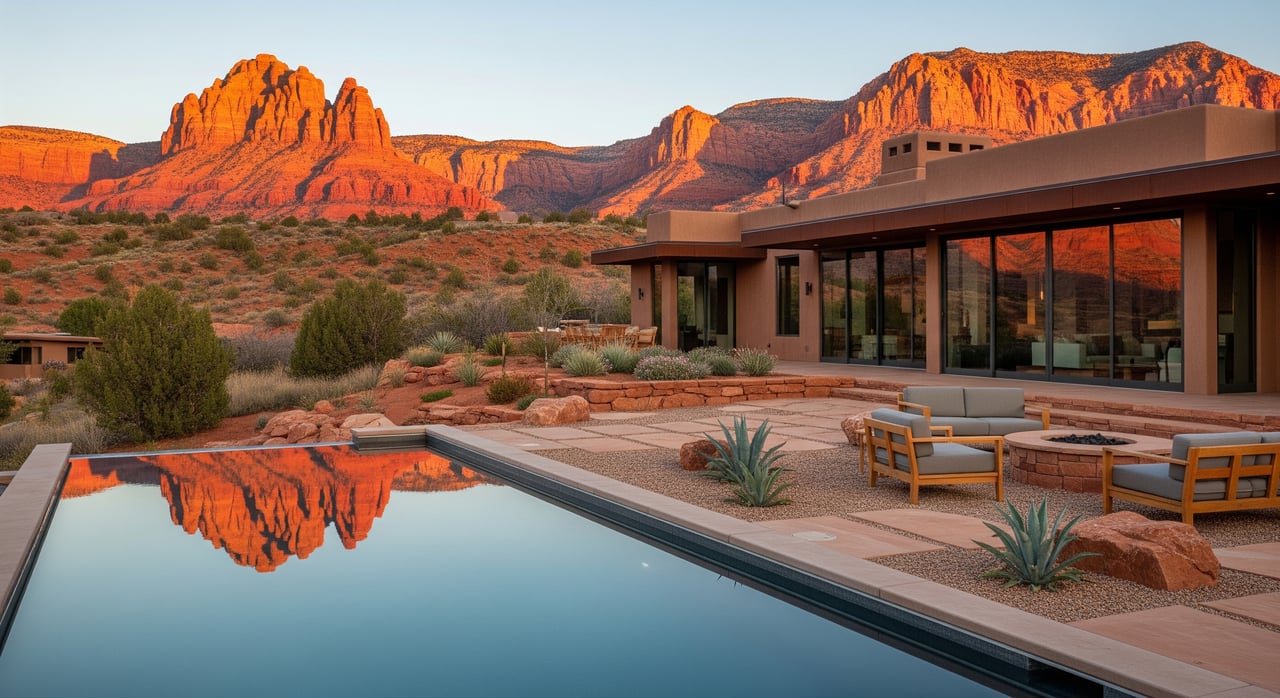
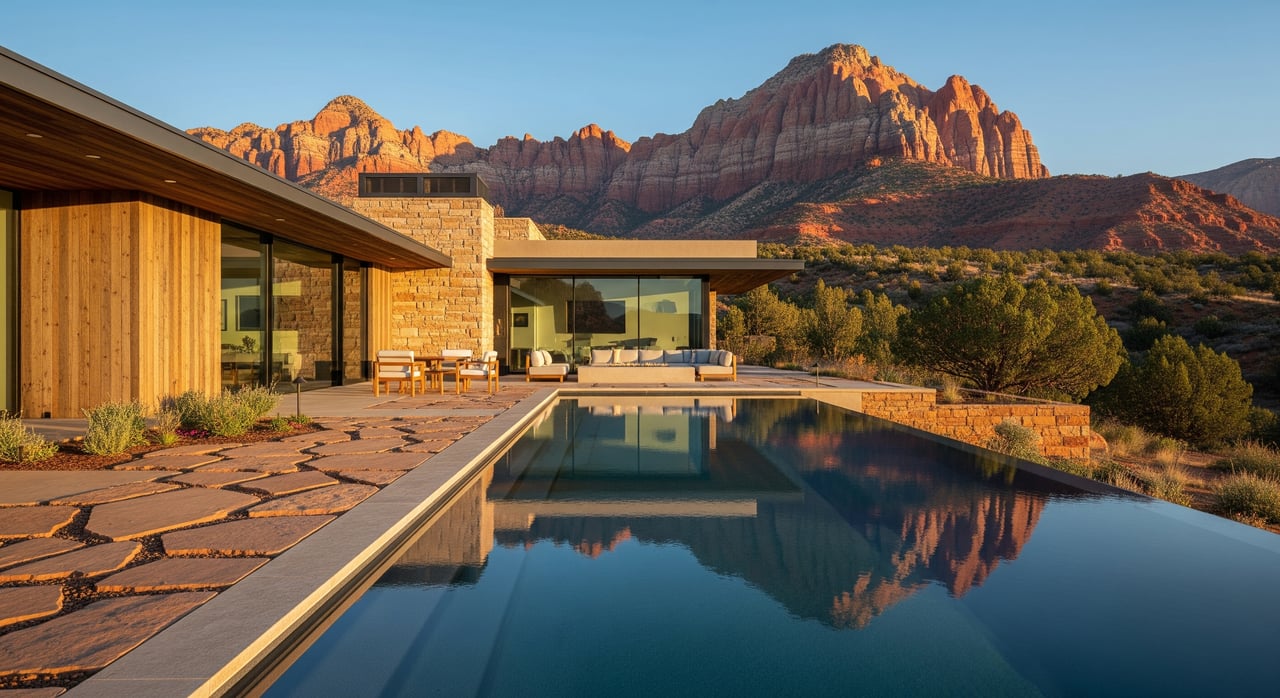
Buyers come for the lifestyle: Sand Hollow Reservoir and the nearby OHV sand dunes, golf at Sky Mountain and Sand Hollow, and fast access toward Zion. Builders often highlight these perks because they appeal to retirees, second-home owners, and active families alike. You can get a feel for this lifestyle focus in community spotlights like the overview of Dixie Heights and Legacy at Sand Hollow from a local builder’s blog on Hurricane living. Explore a lifestyle snapshot of Hurricane’s new-home communities.
For price context, consumer indexes put typical Hurricane home values around the mid 400s to about $500,000 in recent data. Treat this as ballpark when comparing base prices, lot premiums, and upgrades.
Define your must haves
Start simple. Decide what matters most: commute time to St. George and I‑15, proximity to Sand Hollow, lot size for toys, or a low‑maintenance setup with an HOA. Then rank interior needs like bedrooms, office space, single‑level living, or a three‑car garage.
If you are a second‑home or relocation buyer, add lock‑and‑leave convenience, rentals allowed or not, and distance to the airport to your list. These factors help you narrow communities fast.
Compare neighborhoods and lots
Safety and site basics
- Flood and drainage. Review FEMA flood maps for the specific lot and ask the builder for any elevation certificates or LOMA/LOMR documents. Flood zones can affect lending and insurance. Use the FEMA Flood Map Service Center.
- Climate‑risk checks. Look at wildfire, heat, and wind risk scores shown on many listing portals. Risk can vary lot to lot based on slope and vegetation, so check the exact address.
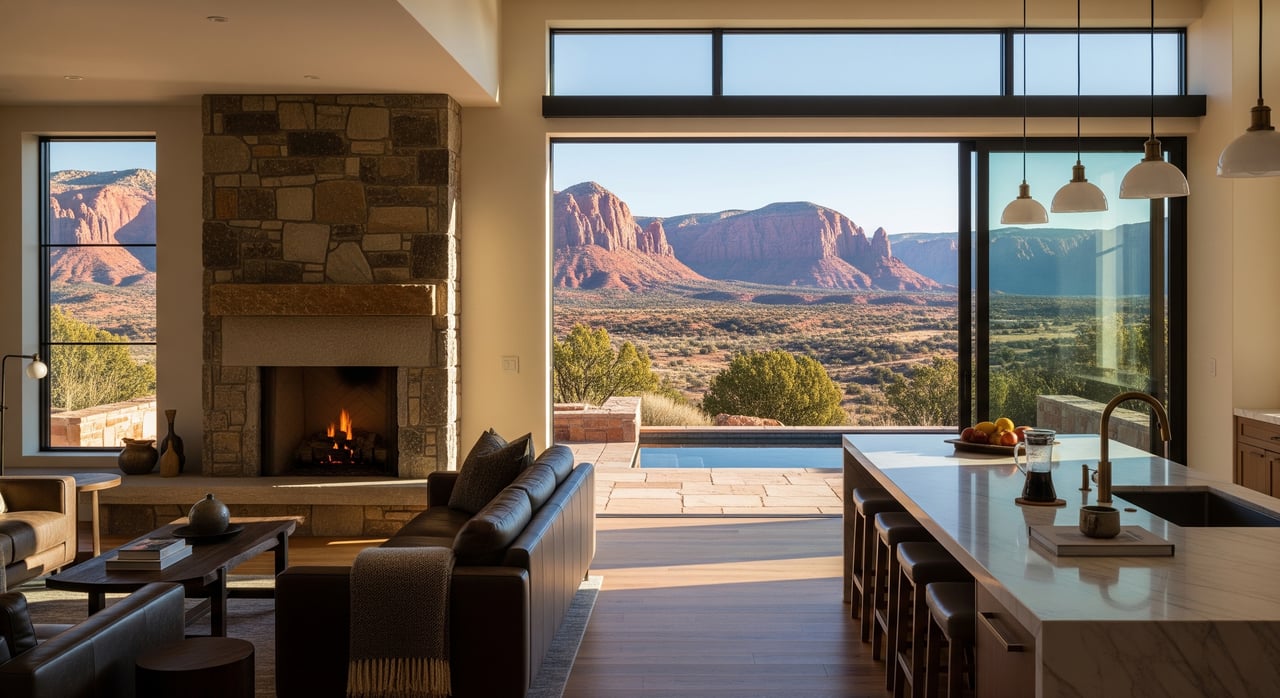
- Slope, views, and exposure. In Hurricane, elevation and orientation drive views of Pine Valley Mountains and winter sun. Steeper sites can impact foundation costs and your usable backyard.
- Noise, traffic, and access. Weigh proximity to SR‑9 and I‑15 for daily driving and future resale. Lots closer to Sand Hollow or the Zion corridor may see more seasonal traffic.
- Utilities and timing. Confirm culinary water, sewer, storm drainage, gas, and power are available and included. For development and utility questions, the City of Hurricane is the authority. See city contacts and resources.
HOA costs and rules
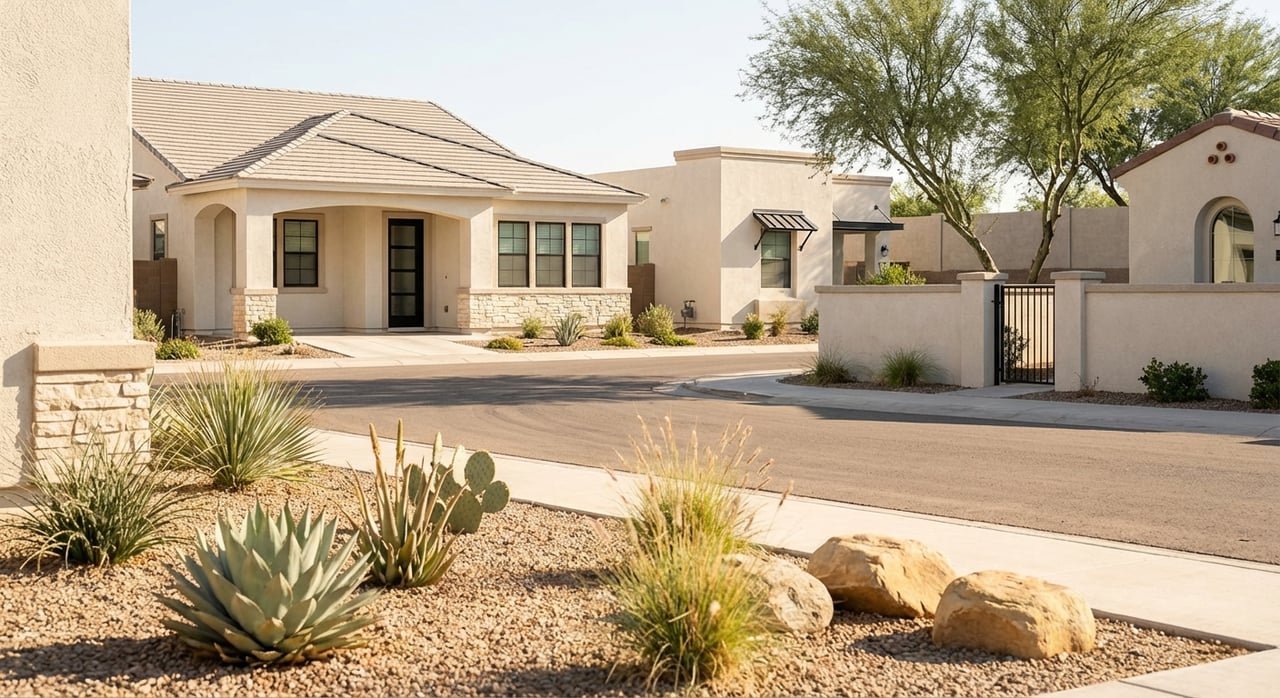
Many Hurricane subdivisions use HOAs to maintain entries, parks, and amenities. Fees vary widely based on what is included. Example listings in Legacy at Sand Hollow show modest monthly HOA figures on some lots, which underscores the need to confirm the latest CC&Rs and fee schedule for your exact address. You can see how individual listings report fees in this representative Legacy at Sand Hollow listing.
When you review HOA documents, look for: who maintains landscaping and irrigation, private road responsibilities, amenity upkeep, reserves and assessment powers, rental rules, pet rules, and any architectural review limits.
Schools and daily services
Ask which schools serve the community and confirm with the district as boundaries can change. Also map grocery, medical, and everyday services to understand your routine. Keep this neutral and fact‑based so you can compare communities clearly.
Recreation and resale
Proximity to Sand Hollow, golf, and trail systems is a draw for many buyers. These can support long‑term demand, especially for second‑home and active‑lifestyle segments. Weigh the tradeoff of busier seasonal traffic if you are very close to major recreation hubs.
Compare builders and floor plans
Delivery model and timeline
You will see a mix of production builders, semi‑custom options, and local custom shops around Hurricane. Production builders usually deliver faster with set options and finishes. Semi‑custom and custom builders offer more flexibility and design input but often take longer and vary in warranty and process. To see the range of active builders in Hurricane, browse the builder directory for the area.
What is included vs upgrades
Model homes look stunning because they are heavily upgraded. Always get the written inclusion list for your base plan. Typical inclusions in the region often feature quartz or solid‑surface counters, soft‑close cabinets, LVP or tile in wet areas, and energy‑efficient systems, but specifics vary by community. For planning, request a worksheet that shows base price plus lot premium plus upgrade pricing, along with estimated taxes and HOA. Here is a helpful overview of how to structure your new‑construction budget and compare lender offers: practical tips for new‑build buyers.
Warranties and service
Many new‑home warranties follow a 1‑year workmanship, 2‑year systems, and 10‑year structural format. Ask for the full warranty document before you sign so you understand coverage, exclusions, and how to submit claims. To learn how typical coverage works, review this summary of the common 1‑2‑10 structure from a major warranty provider: what a 1‑2‑10 warranty usually covers.
Contracts, financing, and timing
Build timeline expectations
Across the country, single‑family production homes have averaged about 7 to 9 months from permit to completion in recent data. Local timing depends on permits, lot prep, selections, and materials. If you are considering a build‑to‑order home, plan for a range and verify the builder’s written completion date and any extension clauses. See recent industry timing benchmarks here: single‑family construction speeds and averages.
Clauses to read closely
- Deposits and refunds. Builder contracts often require larger upfront deposits that become non‑refundable at set milestones, especially once upgrades are locked. Read the schedule and refund triggers in detail. See consumer guidance on common contract issues: new‑build pitfalls to know.
- Price‑escalation language. Some contracts allow pass‑throughs for material or fee increases. Ask for caps or clear conditions.
- Inspection rights. Request independent pre‑drywall and final inspections with defined punch‑list timelines.
- Preferred lender incentives. Compare the builder’s incentives to outside quotes on total cost, not just the headline credit.
Before you close
- Confirm final grading and drainage pass city inspection and that the certificate of occupancy is issued.
- Ask who completes and maintains front and rear landscaping, and whether it is in the base price or covered by the HOA.
- Get a tax estimate and verify if any special taxing district applies.
Quick buyer checklist
- Verify FEMA flood zone and ask for elevation documents.
- Check climate risk scores for wildfire, heat, and wind for the exact lot.
- Walk the lot for slope, views, privacy, and sun exposure.
- Confirm utilities and any off‑site or hookup costs.
- Read the HOA CC&Rs: fees, reserves, rental and pet rules, design controls.
- Map schools and daily services for your routine.
- Compare builders: delivery model, track record, warranty and service.
- Get a written price worksheet: base, lot premium, upgrades, taxes, HOA.
- Plan your timeline: spec home versus build‑to‑order, plus contingency housing.
- Read contract clauses on deposits, escalation, inspections, and lender choice.
Local community examples to explore
Want to see how amenities, HOAs, and locations differ? Start with a few public community resources:
- Lifestyle overview featuring Dixie Heights and Legacy at Sand Hollow: Hurricane new‑home highlights
- Active builders serving Hurricane: regional builder directory
- Example listing reference for HOA fee reporting: Legacy at Sand Hollow sample
Note: HOA fees, lot premiums, and inclusions change often. Always confirm the latest details for the exact lot and plan you select.
Ready to tour communities?
If you want a clear, low‑stress path to the right new‑build, partner with a local advisor who knows the builders, lots, and HOAs in Hurricane. With deep Southern Utah market knowledge and concierge‑level service for in‑town and out‑of‑area buyers, Michelle Evans will help you compare options, negotiate smart terms, and manage each step from selections through closing. Schedule a Consultation when you are ready to start.
FAQs
How long does it take to build a new home in Hurricane?
- Industry data shows many single‑family production builds complete in about 7 to 9 months from permit, but timing varies by lot prep, selections, permits, and materials.
What do HOAs usually cover in Hurricane new communities?
- Many cover common‑area maintenance and amenities, with fees that range based on what is included; always verify the CC&Rs, current fee schedule, and reserve funding.
Which new communities are close to Sand Hollow Reservoir?
- Communities in the Sand Hollow area, including Legacy at Sand Hollow and others nearby, are popular with buyers who want quick access to the lake and dunes.
What should you ask about a builder’s warranty?
- Request the full warranty document and learn coverage terms, exclusions, claim timelines, and whether the builder uses in‑house or third‑party service for repairs.
What contract clauses can change your final price?
- Look for price‑escalation language, non‑refundable deposit milestones, and preferred‑lender conditions; ask for caps and compare outside financing offers.
How can you compare “included” features across builders?
- Get each builder’s written inclusions list and a price worksheet that breaks out base price, lot premium, and upgrades so you can compare apples to apples.