If you are thinking about buying a home in Hurricane, the outdoor lifestyle is hard to ignore. This is a place where warm-water lakes, trail systems, and desert views are woven into daily life, not saved for the occasional weekend trip. When you understand how Hurricane’s lakes and trails actually function day to day, you can make a more confident decision about where and how you want to live. Let’s dive in.
Why Hurricane Feels Like an Outdoor Town
Hurricane City presents parks and trails as part of everyday community life. With mild winters, sunshine through much of the year, and easy access to recreation, the outdoor setting shapes how many residents use their time at home and around town.
For you as a homeowner, that matters. It means the appeal of Hurricane is not just scenic. It is also practical, especially if you want a home base that supports regular lake days, trail access, and quick outdoor outings without a long drive.
Sand Hollow: Hurricane’s Adventure Lake
Sand Hollow State Park is one of Hurricane’s best-known outdoor destinations. Utah State Parks describes it as a popular park with warm blue water, red sandstone scenery, boating, fishing, diving, camping, and access to Sand Mountain for off-highway vehicle riding.
This mix gives Sand Hollow a broad appeal. You can spend time on the water, enjoy the beach, camp nearby, or head out for motorized recreation in the same general area. For many buyers, that helps explain why Hurricane often feels like a basecamp town.
What Sand Hollow offers
Sand Hollow stands out for variety. According to Utah State Parks, the area includes boating, fishing, swimming, diving, RV and tent camping, and access to 20,000 acres of OHV riding on Sand Mountain.
That range of uses can be a major plus if you want flexibility. Some homeowners are drawn to the idea of a morning on the lake and an afternoon exploring desert terrain, all within the same destination.
What to know before you go
Sand Hollow also comes with rules and seasonal conditions that matter. Utah State Parks notes that OHVs are restricted in some beach areas and are not permitted on vegetation or dirt in campgrounds.
The park also flags swimmer’s itch, harmful algae conditions, and seasonal fire restrictions. In practical terms, that means part of living near this kind of recreation is getting used to checking current conditions before you head out.
Quail Creek: A Calmer Lake Routine
Quail Creek State Park offers a different kind of water access. Utah State Parks says it has some of the warmest waters in Utah and a mild winter climate that draws boaters and anglers year-round.
For many homeowners, Quail Creek can feel easier to revisit often. The setting supports quiet repeat-use activities like kayaking, paddleboarding, fishing, shoreline time, and simple boating days.
What makes Quail Creek different
The park brochure lists kayaking, paddleboarding, waterskiing, wakeboarding, sailing, scuba diving, swimming, fishing, hiking, biking, and camping. It also notes 600 acres of surface water, developed beaches, a concrete boat launch ramp, and a campground.
Unlike Sand Hollow, off-highway vehicles are not permitted in Quail Creek State Park. That helps create a different experience, one that leans more toward water sports, fishing, and a quieter shoreline atmosphere.
Sand Hollow vs. Quail Creek
If you are comparing lifestyle fit, it helps to look at both parks side by side.
| Lake area | Best known for | Good fit if you want |
|---|---|---|
| Sand Hollow | Boating, beach time, camping, OHV access | A more active, mixed-use outdoor hub |
| Quail Creek | Boating, fishing, paddling, developed shoreline access | A calmer, repeat-use lake routine |
Neither is better for everyone. The right fit depends on whether you picture your free time around high-energy recreation, easier lake days, or a little of both.
Hurricane Trails Add Everyday Access
Lakes are only part of the story. Hurricane also has strong trail access, which adds another layer to daily living for people who enjoy hiking, biking, and scenic terrain.
The Bureau of Land Management says the Hurricane Cliffs Trail System includes nearly 40 miles of beginner and intermediate trails. The system sits between Hurricane and La Verkin on one side and Gooseberry Mesa on the other, with access points along SR-59 and Sheep Bridge Road.
Hurricane Canal Trail brings in local history
Hurricane’s trail identity is not only about exercise and views. City materials note that the Hurricane Canal was completed in 1904, and the Hurricane Canal Trail lets visitors follow a route tied to the town’s early history.
That gives the experience more depth. If you enjoy places with a visible connection between landscape and local story, this trail adds something distinct to Hurricane’s outdoor profile.
Named trails riders and hikers notice
The BLM identifies trails in the system such as Jem, Hurricane Rim, Canal, Dead Ringer, Goosebumps, Cryptobionic, More Cowbell, and Gould’s. That variety helps explain why Hurricane appeals to people who want options close to home.
For you, the benefit is convenience. Instead of planning every outing as a major event, you may have access to trail systems that make shorter rides, hikes, or after-work outings feel realistic.
Gooseberry Mesa Expands the Lifestyle
Gooseberry Mesa pushes Hurricane into destination-trail territory. The BLM says Gooseberry Mesa and Hurricane Cliffs offer spectacular mesa-rim views toward Zion, more than 31 miles of trails, over 2,000 feet of elevation gain and loss, and difficulty levels from beginner to advanced.
The Gooseberry Mesa National Recreation Trail sits at about 5,200 feet and supports mountain biking, trail running, and hiking. That kind of access broadens what living near Hurricane can mean, especially if you want more than a single park or one short walking trail nearby.
For second-home buyers and relocators, this can be especially appealing. It supports the idea of Hurricane as a home base for regular outdoor use, not just an address near beautiful scenery.
OHV Access Is Part of the Local Mix
If motorized recreation matters to you, Sand Hollow is a major part of the picture. The state park brochure says Sand Mountain provides 20,000 acres of OHV riding and uses a tunnel to access the dune area.
It also notes that operators need current Utah registration and an OHV safety course. That is an important reminder that recreation here comes with rules, and those rules are part of responsible use.
This matters when you are evaluating lifestyle fit. Some buyers love having both lake access and OHV opportunities nearby, while others may prefer living near quieter water-focused recreation like Quail Creek.
Scenic Drives Show Hurricane’s Backcountry Side
Not every outdoor day has to center on trails or the water. The Smithsonian Butte National Back Country Byway offers a scenic driving option that highlights the area’s remote desert character.
The BLM says this 9.25-mile route has views of Smithsonian Butte, Eagle Crags, the Vermilion Cliffs, and Zion. It also notes that the road can become impassable in heavy rain or winter weather and that there are no services along the route.
That is useful context if you are considering Hurricane for its access to open space. The landscape is beautiful and close by, but some recreation routes still require preparation and awareness of conditions.
What This Means for Homebuyers
When you look at Hurricane through a homeowner lens, the key takeaway is variety. You have warm-water reservoirs, trail systems with broad activity options, OHV terrain, and scenic desert routes, all tied to a town that openly embraces outdoor living.
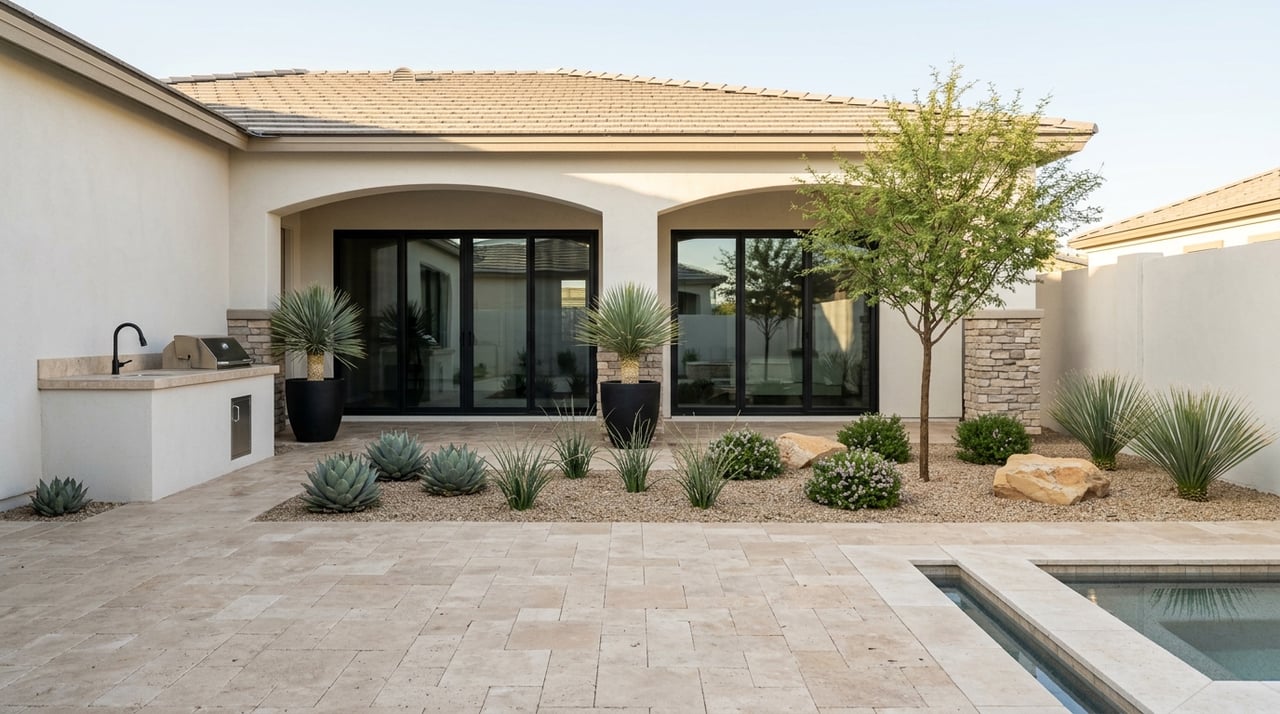
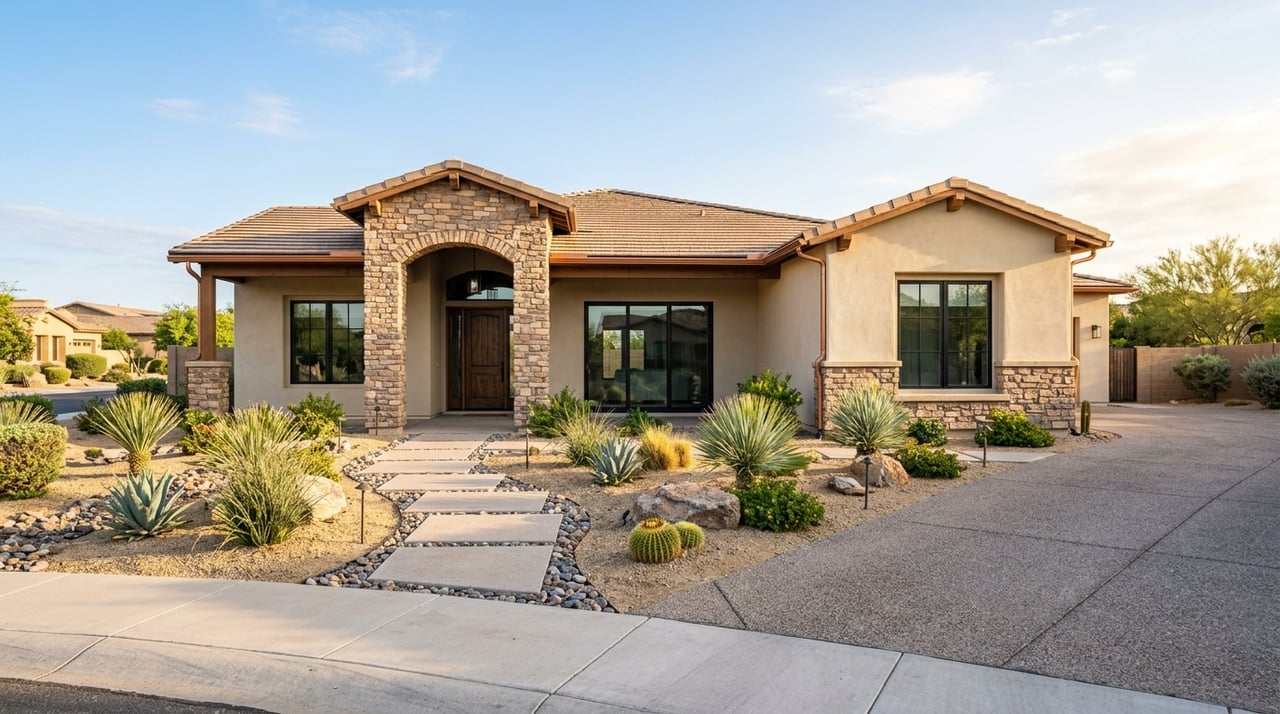
That can influence the kind of property you want. You may value easier gear storage, room for recreational vehicles where permitted, a lock-and-leave second home, or a location that makes quick access to lakes and trails simpler.
It can also shape how often you use the area. Because recreation is integrated into local life, many buyers are drawn to Hurricane not just for occasional adventure, but for a more active weekly routine.
Practical Tips for Living Near Lakes and Trails
Before you buy, it helps to think beyond the postcard view. Daily life near outdoor recreation is rewarding, but it also comes with local habits and responsibilities.
Here are a few practical points to keep in mind:
- Check park and trail conditions before heading out
- Pay attention to fire restrictions and weather-related closures
- Follow OHV registration and safety requirements where applicable
- Use designated areas and follow posted park rules
- Expect desert conditions to change seasonally
These details may seem small, but they are part of using Hurricane’s outdoor amenities well. The more your home search matches how you actually plan to spend your time, the better your long-term fit is likely to be.
If you are exploring Hurricane because you want a home that supports lake days, trail access, or an active second-home lifestyle, local guidance can make the search much easier. Michelle Evans can help you compare neighborhoods, property types, and lifestyle fit across Southern Utah.
FAQs
What lakes are most popular near Hurricane, Utah?
- The two standout lake destinations near Hurricane are Sand Hollow State Park and Quail Creek State Park, both known for warm-water recreation and easy access from town.
What is the difference between Sand Hollow and Quail Creek in Hurricane?
- Sand Hollow is known for boating, beach time, camping, and nearby OHV riding, while Quail Creek is known for boating, fishing, paddling, and a generally quieter shoreline feel.
What trails can homeowners access near Hurricane, Utah?
- The Hurricane area includes the Hurricane Cliffs Trail System, the Hurricane Canal Trail, and access to Gooseberry Mesa, with options for hiking, mountain biking, and trail running.
Is Hurricane, Utah good for off-road recreation?
- Yes. Sand Hollow is a major local OHV hub, with access to Sand Mountain and 20,000 acres of riding terrain, along with registration and safety requirements set by Utah State Parks.
Why do homebuyers look at Hurricane for outdoor living?
- Many buyers are drawn to Hurricane because lakes, trails, and desert recreation are part of daily local life, which can support an active full-time, second-home, or relocation lifestyle.