Thinking about buying in Hurricane? The floor plan is only part of the story. In a fast-growing city with everything from larger semi-rural lots to townhomes, manufactured-home options, and HOA-managed communities, the details behind the property can shape how well it fits your life. If you want to understand layouts, lot types, and HOA issues before you make an offer, you’re in the right place. Let’s dive in.
Hurricane offers more than one housing style
Hurricane is still largely an owner-occupied market, with a 71.9% owner-occupied rate and a median owner-occupied home value of $411,400. The city has also said that roughly 60% to 70% of land was still available for development in its 2022 Moderate Income Housing Plan, which helps explain why buyers see both established neighborhoods and newer housing options.
That same housing plan shows a market that is still mostly detached homes, while also adding more townhomes and apartments as the city grows. The city estimated its housing stock at about 75% homes, 12% twin homes, 8% manufactured homes, and 4% apartments. For you as a buyer, that means Hurricane is not a one-size-fits-all market.
Home layouts vary by zoning and community design
Hurricane’s planning framework includes single-family, multifamily, planned community, rural residential, agricultural, downtown, mixed-use, commercial, industrial, and public/open space categories. In practical terms, that means you can find very different neighborhood layouts from one area to the next.
The city also places medium- and high-density residential near support facilities such as collector and arterial roads, shopping, employment centers, and other services. So even if two homes have similar square footage, the surrounding layout and daily feel can be very different depending on where they sit.
Detached homes and larger lots
If you want more space, detached single-family homes in R1 or residential-agriculture areas are often the first place to look. Residential-agriculture zones are intended for very low- and low-density living, larger lots, limited agricultural activity, and limited animals and fowl.
In the RA-1 and RA-.5 zones, the code shows average lot areas of 1 acre and 0.5 acre, with minimum lot widths of 100 feet. Those standards can appeal to buyers who want elbow room, storage space, or flexibility for accessory buildings.
Townhomes, twin homes, condos, and apartments
If lower exterior maintenance is a priority, Hurricane’s RM zones are worth a closer look. These zones are intended for apartments, townhomes, twin homes, and condominiums at medium to high density, with a focus on compatibility with nearby uses.
This part of the market has become more important as Hurricane broadens its housing choices. For buyers who want a more compact footprint or shared-maintenance lifestyle, these properties can offer a very different ownership experience than a detached home on a larger lot.
Manufactured homes and RV-focused options
Hurricane also has an MH/RV zone specifically for manufactured or mobile homes and recreational vehicle parks or subdivisions. The city code also allows a manufactured or mobile home attached to a permanent foundation in a single-family residential zone if it meets the applicable requirements.
That gives some buyers another path into the market, especially if your priorities lean toward flexibility, affordability, or a specific type of setup. If you are considering this route, it is important to compare the zoning and placement rules carefully before moving forward.
Lot fit matters as much as square footage
One of the biggest mistakes buyers can make in Hurricane is focusing only on the house and not enough on the lot. A home may look perfect online, but the lot itself can determine whether you can park what you need, build what you want, or use the property the way you expect.
Hurricane’s planning staff reviews zoning, parking requirements, setbacks, heights, landscaping, and building materials. That means the same home style can function very differently depending on the plat, lot shape, and surrounding standards.
Setbacks can limit your options
In RA and R1 zones, the city’s setback table shows front setbacks of 25 feet, with rear and side setbacks varying by zone and whether the lot sits on a corner. Those measurements may seem technical, but they can have a direct effect on garage expansions, detached shops, RV garages, and outdoor storage.
For many buyers, especially relocators and second-home owners, this is where a promising property can become a poor fit. If the home sits in a way that leaves little usable side or rear yard space, future plans may be harder to pull off than expected.
Easements are a serious checkpoint
Hurricane’s building department states that no structure of any kind may be placed in a public utility easement. That rule matters whether you are thinking about a detached garage, storage building, or another improvement.
A lot can appear large enough on paper and still have important constraints once you map out the easements. This is one reason why lot dimensions alone do not tell the full story.
Accessory buildings need review too
If you want extra storage, a workshop, or a detached garage, the building rules deserve close attention. In RA and R1 areas, an accessory building that is at least 10 feet from the main building may be as close as 2 feet from rear or side property lines, subject to permit review and other standards.
Even smaller accessory structures under 120 square feet are not a free pass. They may be exempt from building plan review unless they include electrical or plumbing, but they still need permit review to confirm setbacks and development standards.
RV garages and storage need early verification
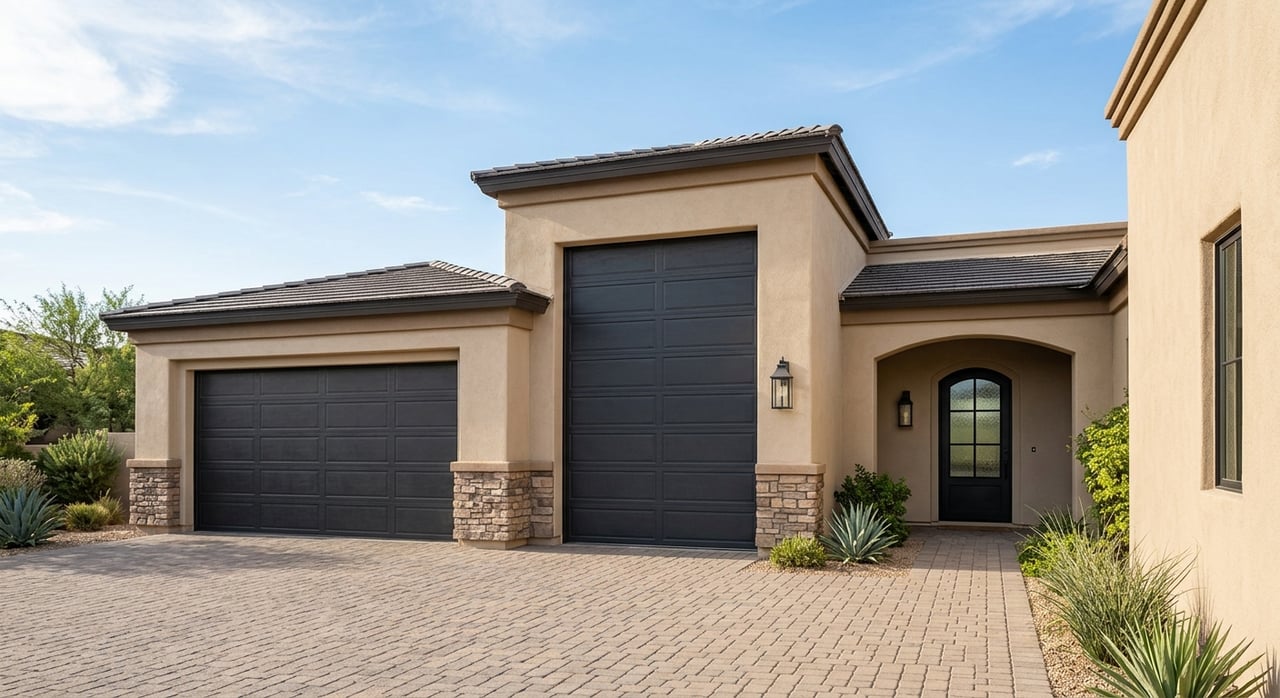
In Southern Utah, RV storage is a major buying consideration for many households. In Hurricane, an RV garage is not just about finding a large enough home. It is also about driveway access, setbacks, utility easements, and in some communities, HOA rules.
The city also notes that planned-development overlays approved before April 3, 2025 can have different garage and living-space setback measurements than base zoning. That means two homes in the same general area may not follow the same assumptions.
If RV storage or a larger garage is high on your list, verify the lot layout early. It is much easier to confirm fit before you make an offer than to discover a restriction after closing.
Utilities and service setup affect day-to-day ownership
For most properties inside city limits, Hurricane provides culinary water, electricity, and storm drainage. Sewer and garbage are billed on behalf of outside service providers.
This may sound like a minor detail, but it helps to know how services are structured as you compare homes and monthly ownership costs. It is another example of why buying the right property is about more than bedrooms and finishes.
HOA communities require a deeper review
If you are buying a townhome, condo, or home in a planned community, there is a good chance an HOA will be part of the purchase. In Utah, buying into an HOA means buying partial ownership in the community, not just the individual lot or unit.
That distinction matters because your monthly dues, use rights, maintenance obligations, and future flexibility may all be shaped by the association’s documents and financial health.
Some homes belong to more than one HOA
Utah’s HOA guidance advises buyers to confirm whether the home belongs to more than one association. In some master-planned communities, there may be a master association plus one or more sub-associations, each with its own dues and governing documents.
If you are comparing similar properties, this can have a real impact on monthly cost and complexity. It is worth understanding the full structure before you move ahead.
Reserve funding and fees matter
Utah’s HOA Homebuyer Checklist says HOAs are required to conduct a reserve study every six years and review or update the reserve analysis, if necessary, every three years. Buyers should also ask about reserve funding, because it can affect how well the association is prepared for future repairs and replacements.
You should also look for administrative setup fees, reinvestment fees, and other closing-related charges. Those costs can add up, especially when you are budgeting for a move or second-home purchase.
Governing documents deserve a careful read
The seller must provide governing documents recorded with the county along with educational materials, and the standard disclosure package commonly includes the CC&Rs, rules, recent budget and financial statements, and other property-related documents. These papers help you understand parking rules, exterior standards, maintenance duties, and use restrictions.
This is especially important if you want to store an RV, make exterior changes, or keep future rental options open. HOA rules can be more restrictive than city rules, so both layers need to be checked.
Rental rules should be confirmed early
If rental income or second-home flexibility matters to you, do not wait until the end of the transaction to ask questions. Hurricane’s housing plan says short-term rentals are allowed only in certain settings, including resort or commercial areas, single-family neighborhoods under a license cap, and residential hosting through a home or ADU.
An HOA may still impose tighter restrictions than the city. For buyers considering an investment, part-time residence, or vacation-use property, early verification can help you avoid buying the wrong asset for your goals.
How to match the property to your goals
The best fit in Hurricane usually starts with how you plan to live, not just what style of home you like. A larger detached home may work well if you want privacy, yard space, or room for a future shop. A townhome or condo may be a better fit if you want lower exterior maintenance and a simpler lock-and-leave setup.
If you want RV parking, workshop space, or flexible long-term use, the lot and governing documents should move to the top of your checklist. In Hurricane, a smart purchase often comes down to how the layout, lot, zoning, and HOA rules work together.
Buying in a growing market takes more than a quick online search. With the right local guidance, you can sort through the details, compare options clearly, and focus on homes that truly match your plans. If you want a knowledgeable, high-touch guide as you explore Hurricane and the surrounding Southern Utah market, schedule a consultation with Michelle Evans.
FAQs
What types of homes can you buy in Hurricane, Utah?
- Hurricane includes detached single-family homes, twin homes, townhomes, apartments, manufactured-home options, and properties in RV-related communities, depending on zoning and community design.
Why do lot size and shape matter when buying a Hurricane home?
- Lot size and shape affect setbacks, parking, driveway access, accessory-building placement, and whether future plans like an RV garage or workshop may work on the property.
What should you review before buying a home with an HOA in Hurricane?
- You should review the CC&Rs, rules, budget, financial statements, reserve funding, fee structure, and whether the property belongs to more than one HOA.
Can you store an RV at a home in Hurricane, Utah?
- It depends on the property, because RV storage may be limited by lot layout, setbacks, utility easements, zoning rules, and HOA restrictions.
Are short-term rentals allowed in Hurricane, Utah?
- Hurricane allows short-term rentals only in certain settings, and HOA covenants may be more restrictive, so both the city rules and association documents should be checked early.
Do accessory buildings require approval in Hurricane?
- Yes. Even when a small structure is exempt from building plan review, permit review may still be required to confirm setbacks and other development standards.