Wondering how to position your St. George home so it sells for a premium in today’s market? You are not alone. With more inventory on the market and buyers comparing options, the homes that win are the ones that feel move‑in ready, are priced with precision, and remove doubt for the buyer. In this guide, you will learn exactly how to prepare, price, and present your property so you attract stronger offers and a smoother closing. Let’s dive in.
Market check: St. George now
St. George is currently a balanced market. HUD’s regional profile notes that months of for‑sale inventory rose to about 9.0 months in mid‑2025 as higher rates cooled demand, even as population growth stayed strong. That means buyers have more choice and expect clear value and condition at first glance. You can review the local context in the HUD St. George Housing Market Profile.
Public portal data through late February 2026 shows a typical St. George home value near $516,930 and a median time to pending around 58 days. Exact numbers change each month. The takeaway is simple: in a balanced environment, presentation, accurate pricing, and reducing buyer uncertainty are what drive premium results, not hopeful overpricing or waiting for bidding wars.
Fix first: inspections and permits
In St. George, the highest‑impact prep you can do is to uncover and resolve issues before buyers do. That creates confidence and keeps negotiations cleaner.
Pre‑listing inspection
Schedule a full home inspection 4 to 8 weeks before listing if you expect any repairs. If your home has a pool, older HVAC, or past foundation or roof work, consider targeted specialty inspections as well. Use the reports to decide what to fix, what to price in, and what to disclose. Keep a simple folder with receipts, warranties, and a summary of recent service work to share with buyers.
Permits and contractors
If you completed structural, electrical, plumbing, mechanical, or addition work, verify the permits are in order. The City of St. George Building Department provides permit guidance and an online CityInspect portal for applications and records. Start here to confirm what was pulled and what final inspections were signed off: City of St. George Building Department.
When hiring contractors, choose licensed and insured local pros who will pull required permits and provide final inspection receipts. Collect these documents for your buyer packet. Missing permits are a common reason closings get delayed or buyers ask for credits.
Disclosures that build trust
Utah law requires you to disclose if the property is known to be contaminated by methamphetamine manufacture or use. Review the statute here to understand your duty: Utah Code §57‑27‑201. In practice, most sellers complete a Seller Property Condition Disclosure under the Utah REPC and must disclose known material defects. Courts in Utah have emphasized the risk of failing to disclose issues, so plan to be thorough and timely with your forms and records. See a Utah Supreme Court precedent on disclosure disputes: Conder v. A.L. Williams.
If your home is part of an HOA, gather CC&Rs, recent meeting minutes, rules, and financials. Providing a clean, complete packet early reduces buyer questions and builds confidence in your home.
Stage for Southern Utah buyers
Well‑done staging helps buyers picture daily life in your home. National research from the REALTOR community finds that staging boosts buyer interest and can shorten time on market. Explore the highlights in the NAR report on home staging.
High‑impact rooms
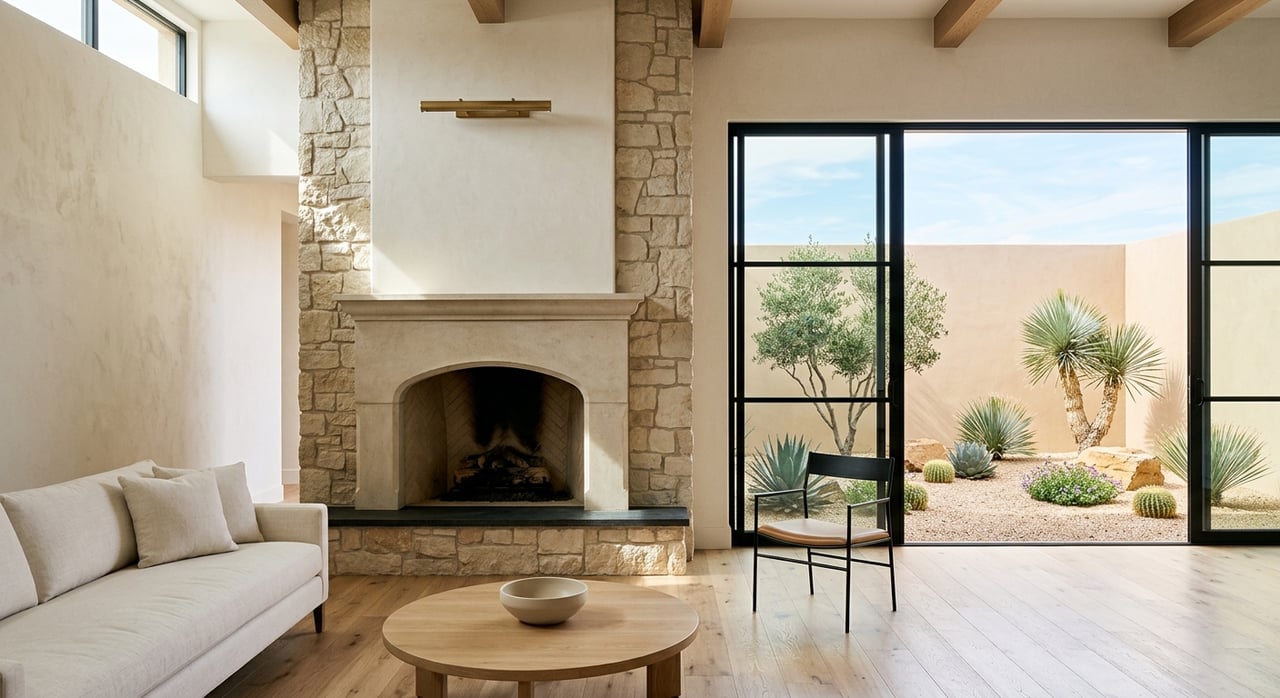
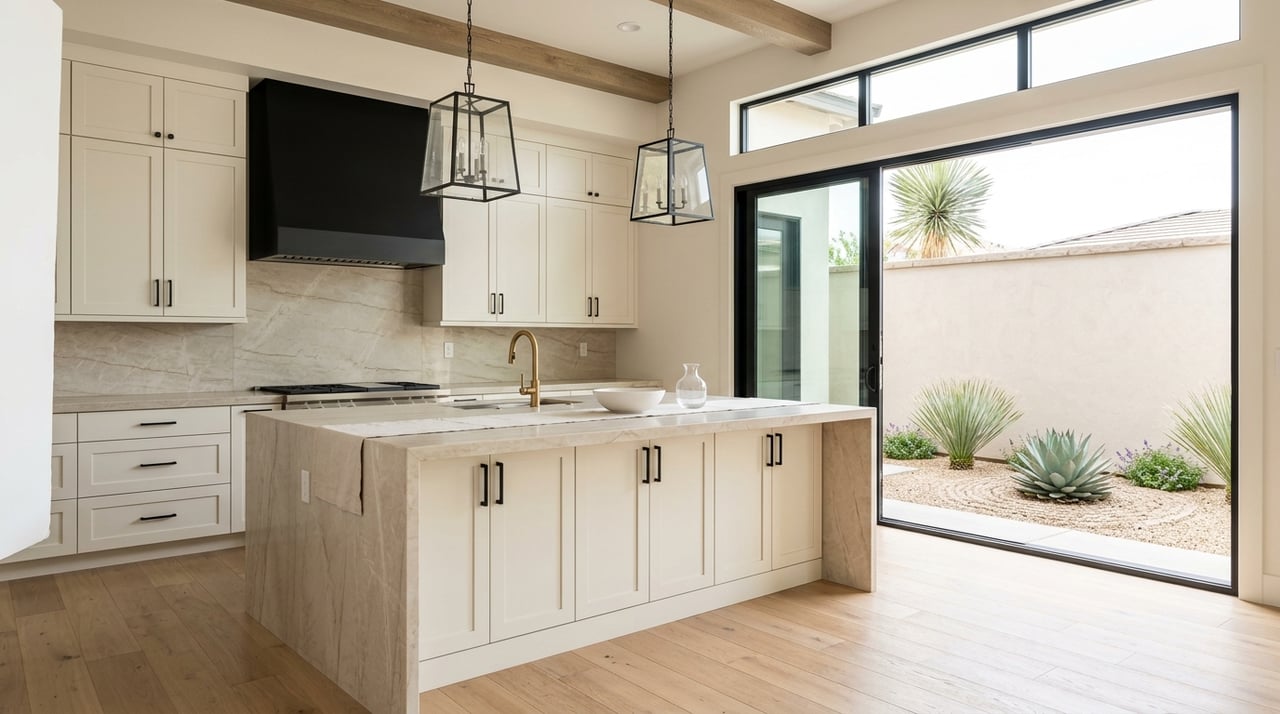
If your time or budget is limited, focus on the living room, primary bedroom, and kitchen. Keep colors neutral and surfaces clean. Remove excess furniture to open sightlines and make rooms feel larger. Box up most personal photos and collections so buyers can focus on the space.
Outdoor curb appeal
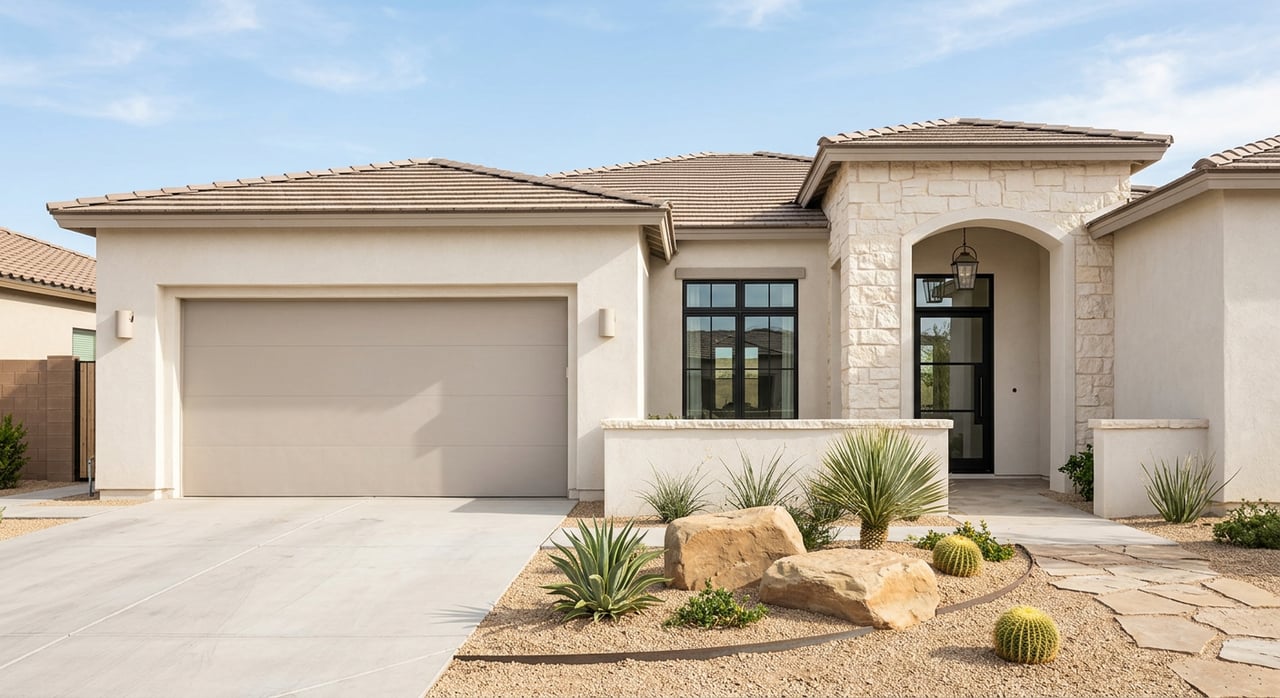
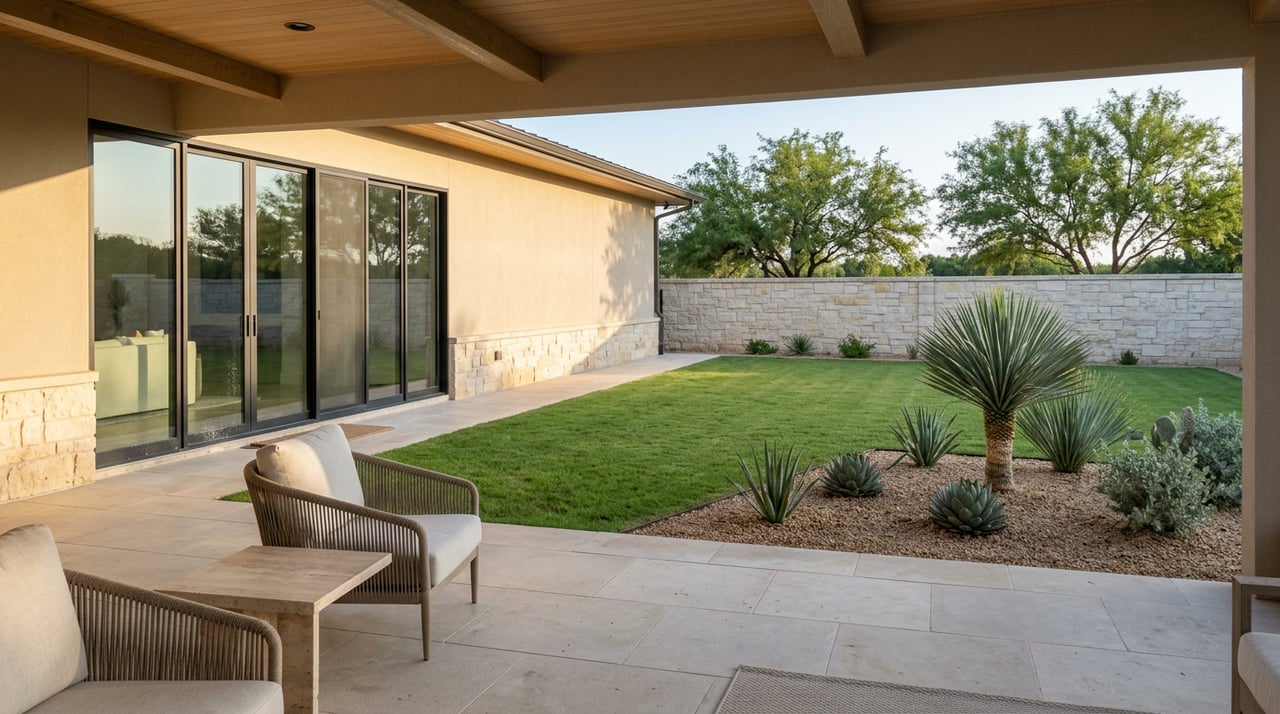
In St. George’s desert climate, tidy xeriscaping shows care. Rake gravel beds, trim shrubs, refresh mulch, and power‑wash walkways. Clean the entry door and hardware, and add a simple planter or clean doormat. If you have shade structures or covered patios, stage seating to highlight indoor‑outdoor living.
Small, smart updates
Simple changes go a long way: touch up paint in neutral tones, replace dated cabinet hardware, refresh grout and caulk in kitchens and baths, and update a few light fixtures. Ensure HVAC is recently serviced and filters are clean. If you have a pool, make sure water, tile, and equipment are photo‑ready.
Win online: photos and tours
Online is where first impressions form, so invest in professional visuals that show your home at its best.
Pro photography checklist
- Schedule photography after staging and cleaning are complete.
- Capture bright, balanced interior images and clean exterior shots. A twilight exterior can add curb appeal if it suits your property.
- Provide at least 20 high‑quality images that cover every main room, the garage, yard, and any amenities.
- Add a measured 2D floor plan so buyers understand the layout.
- Include a 3D tour or video walk‑through for out‑of‑area buyers when possible.
- Use drone images if you have view corridors, acreage, or community amenities and if HOA and FAA rules allow.
Have your full media package live on day one so every portal shows your best assets immediately.
MLS remarks that matter
Write concise remarks that highlight buyer benefits and verified facts. Call out permitted upgrades, maintenance items with receipts, indoor‑outdoor living features, energy efficiency, and proximity to outdoor recreation. Be accurate about HOA details and rules when applicable. Avoid hype and prioritize clarity. The goal is to attract qualified showings from buyers who already feel confident in the home.
Price and timing
Price to the market
Start with a local CMA that compares homes in your subdivision or micro‑area with the same age, lot type, and finished square footage. Public sites are helpful for broad context, but your agent’s MLS data is the gold standard for fine‑tuning the number. In a balanced market, a strong launch price plus great presentation and clear disclosures tend to deliver better results than testing an inflated list price.
Keep an eye on new‑construction communities like Desert Color and other master‑planned areas. New builds add competing inventory and can set buyer benchmarks on finishes and incentives. Your CMA should account for that influence when you position your resale.
Best time to list
National studies often show late spring and early summer as strong months for price premiums, with May frequently performing well across many markets. You can read a summary of seasonal patterns here: Bankrate’s overview of the best time to sell. In St. George, aim for a spring launch only after repairs, staging, and media are complete. If local inventory is elevated, your preparation and price alignment matter more than the exact calendar week.
Your six‑week premium plan
Use this playbook to prepare with confidence.
Week −6 to −4: Order a pre‑listing inspection and any specialty reports you need. Decide what to fix versus disclose. Verify permits and gather records through the City of St. George Building Department. If in an HOA, start assembling the CC&Rs and financials.
Week −4 to −2: Complete permitted work first, including structural, electrical, plumbing, and HVAC items. Keep permits and final sign‑offs. Tackle cosmetic updates: neutral paint touchups, hardware swaps, fresh grout and caulk, and minor door or window fixes. Stage the living room, primary bedroom, and kitchen.
Week −2 to 0: Schedule professional photos, floor plan, and 3D tour after staging. Finalize your Seller Property Condition Disclosure and add any required items under Utah law, including the methamphetamine contamination disclosure if applicable. Review the statute here: Utah Code §57‑27‑201. Organize permits, warranties, and an HOA packet.
Day 0: Launch with your full media set, accurate details, and remarks that highlight permitted upgrades and lifestyle features. Syndicate to all portals immediately and plan an open house during the first weekend.
Negotiation to closing: Use your pre‑listing inspection and permit receipts to support your price and reduce renegotiation risk. Be prepared with repair estimates for any buyer requests. Stay transparent to avoid post‑closing liability. For context on the importance of truthful disclosures, see this Utah Supreme Court decision.
What buyers expect here
HUD notes that St. George attracts in‑migrating households, including many retirees, and that master‑planned communities continue to shape the market. Position your home to highlight everyday ease: low‑maintenance landscaping, comfortable indoor‑outdoor living, dependable HVAC performance, and clean, functional kitchens and baths. You can explore the broader local picture in the HUD market profile.
Ready to list with confidence
A premium result in St. George comes from combining condition, clarity, and compelling presentation. When you pair a clean pre‑listing inspection and complete disclosures with on‑point staging, polished media, and accurate pricing, you give buyers every reason to write a strong offer.
If you want a tailored plan for your property, reach out to a local advisor who understands neighborhood‑level comps and leverages premium marketing channels. Connect with Michelle Evans for a strategy session that fits your timeline and goals.
FAQs
What should I fix before listing my St. George home?
- Prioritize safety and systems: roof issues, electrical, plumbing, and HVAC. Then address visible cosmetic items that impact first impressions, such as paint touchups, grout, lighting, and curb appeal.
Do I need permits for work completed before selling in St. George?
- Yes if it involved structural changes or major electrical, plumbing, or mechanical work. Verify and obtain records through the City of St. George Building Department.
Is a pre‑listing inspection worth it for a premium sale?
- Generally yes. It uncovers issues early, lets you make targeted repairs, supports your price, and reduces renegotiations, which helps your home stand out in a balanced market.
What disclosures are required in Utah when selling a home?
- You must disclose known methamphetamine contamination and any known material defects. Most sellers complete a Seller Property Condition Disclosure under the REPC. See Utah Code §57‑27‑201 and consider the disclosure risks highlighted in this Utah Supreme Court case.
When is the best time to list a home in St. George?
- Late spring and early summer often see stronger activity nationally, with May frequently performing well. Local inventory and your home’s readiness matter most. See Bankrate’s overview of seasonal trends.