Thinking about building or customizing a home in Ivins? It is an exciting path, but it also comes with more moving parts than many buyers expect. From zoning and sensitive-land review to water rules and wildfire considerations, the right lot can shape everything that follows. If you want to make smart decisions before you commit, this guide will walk you through the key factors to know in Ivins. Let’s dive in.
Why lot selection matters in Ivins
In Ivins, choosing a lot is not just about views, size, or location. It is also a zoning decision that affects what you can build, how large it can be, and what features may need extra review.
The city has a wide range of residential zoning districts, from larger agricultural and estate lots to smaller single-family and higher-density residential districts. Minimum lot sizes shown on the zoning legend range from 75,000 square feet down to 3,000 square feet, so the zoning district is one of the first things to confirm before you move forward.
Ivins also states that any use not identified in the residential use table is prohibited. That makes early zoning verification especially important if you want more than a standard home design or if you are planning custom features.
Zoning questions to answer early
Before you close on a lot, it helps to get clear answers to a few basic questions. These answers can affect your design, your budget, and your timeline.
- Which zoning district applies to the property?
- Are there overlays or added site restrictions?
- What is the minimum lot size for that district?
- What uses are allowed by right?
- Which features may require conditional-use review or additional approvals?
For newly created residential lots and parcels, Ivins code also caps primary buildings at 25 feet in height, including roof-mounted mechanical equipment. Downhill edge lots may face added height and architectural restrictions, which can matter if you are planning a view-focused or multi-level design.
Sensitive lands can change your plans
One of the biggest lot-feasibility issues in Ivins is whether a property falls within a sensitive-land area. The city’s code covers flood areas, wetlands, hillsides, ridgelines, habitat conservation plan areas, lava fields, rock outcroppings, and known geologic hazards such as expansive clays, rockfall zones, and landslides.
This matters because a beautiful desert lot may also come with development limits. In low-density residential areas, slopes at or above 8% can trigger sensitive-lands review. In non-low-density areas, the threshold is 12% or more over the relevant distance.
Ivins offers an optional pre-design meeting and site visit with the sensitive-lands committee. That early step can help you understand whether your project may disturb sensitive lands and whether a formal application will likely be required.
What a sensitive-land review may involve
If your lot is in a sensitive area, the city may require a scaled site plan prepared by a licensed engineer or architect. That plan can need to show property boundaries, sensitive-land boundaries, setbacks, parking, ingress and egress, and related design details.
In practical terms, this means your lot may need more upfront due diligence than a typical resale home purchase. If you are buying with the goal of building, this is one of the places where early coordination can save you time and surprises later.
Water planning is essential in Ivins
Water is a major planning factor in Ivins. The city describes itself as being in one of the most water-scarce regions in the United States, and it notes that outdoor irrigation accounts for more than half of residential water use.
Because of that, new subdivisions must follow water-efficient landscape rules. These include limits on turf, the use of drip irrigation, backflow prevention, and separate irrigation meters.
The city also uses tiered water rates and prohibits runoff and daytime irrigation. If you are customizing a home, your landscape plan is not just a style decision. It is part of the project’s overall feasibility and long-term operating cost.
Custom design in a desert setting
In Ivins, site-sensitive design is built into the process. The city’s rules say exterior colors and materials for buildings, walls, and fences must comply with design guidelines, and major natural features such as rock formations, washes, wetlands, and lava rock are intended to be preserved rather than removed.
That makes customization in Ivins a little different from building in a more conventional subdivision. Your home design often needs to respond to the land, not the other way around.
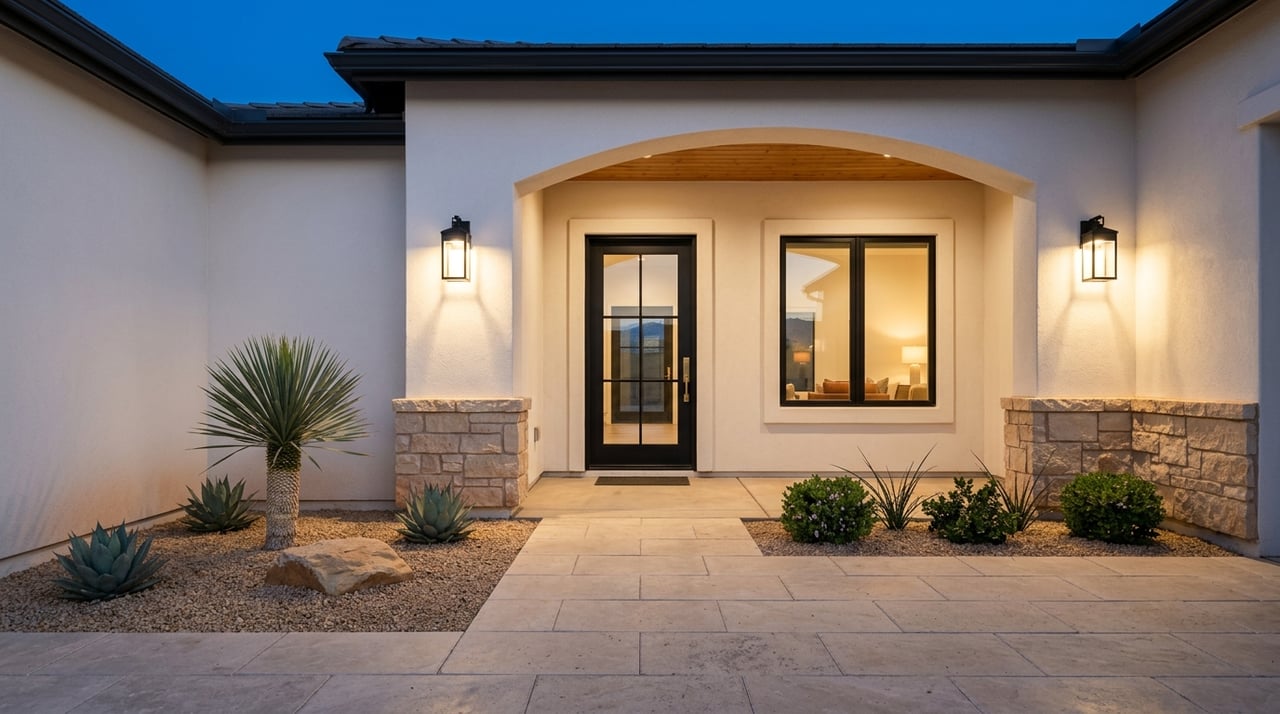
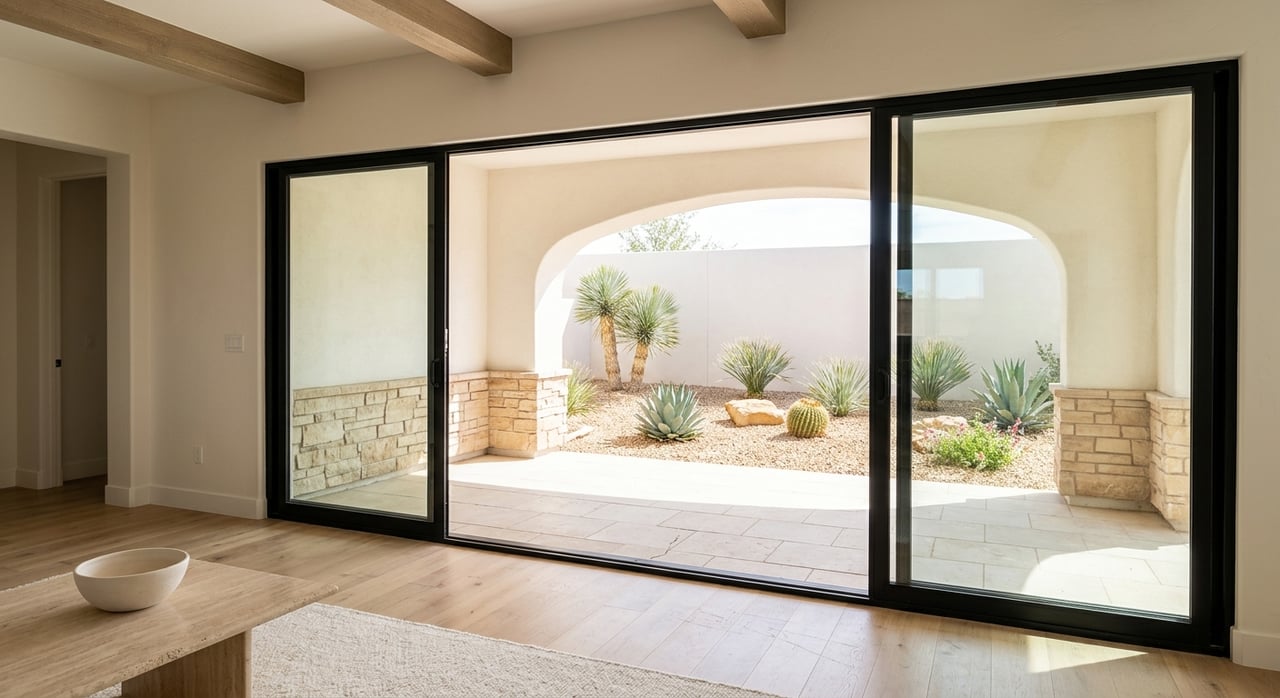
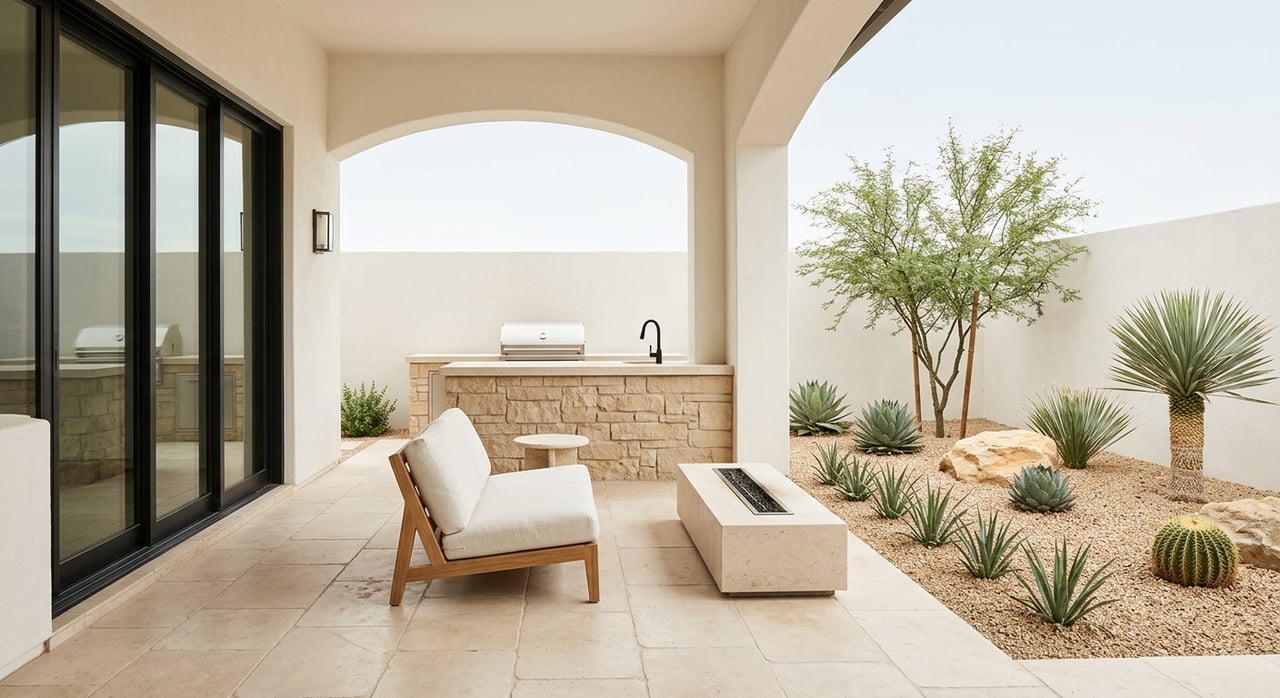
Landscape requirements also emphasize preserving the desert character of the site, using drought-tolerant and native plantings, creating soft transitions from natural areas, and designing irrigation for long-term efficiency and low maintenance. If you love the natural setting that draws many buyers to Ivins, these standards help protect that character.
Popular custom features to verify
Many buyers want a home that fits the way they live, entertain, or travel. In Ivins, common features like pools, sports courts, and RV-related storage may be possible in residential districts, but they still need to be checked against the specific zoning for the lot.
Accessory dwelling units and casitas may require conditional-use review depending on the district and the proposal. Ivins even has a specific Class IV Conditional Use Application for a casita, bed and breakfast, or accessory dwelling unit.
Garage planning should also happen early. In the city’s residential development table, a single-car garage must be at least 240 square feet and a double-car garage must be at least 400 square feet in the applicable districts. If you need extra storage, oversized vehicles, or a flexible garage layout, it is smart to address that before plans are finalized.
Wildfire standards may affect some lots
If you are looking at hillside or edge-of-desert property, wildfire planning should be part of your review. Ivins has adopted a Wildland-Urban Interface code and map, and the city states that structures in higher-risk wildfire areas should be built to higher standards.
That can affect defensible space, vegetation management, and fire-resistant construction decisions. The ordinance was adopted in March 2026, and the 2024 International WUI Code will automatically take effect in Ivins when the state’s adoption becomes effective on January 1, 2027.
For buyers, the key takeaway is simple. Check early whether the lot is in the wildfire interface area so you can account for any design or construction implications from the start.
Approvals often involve multiple departments
Building or major customization in Ivins can involve more than one city review track. For subdivisions, the process can move through concept plan review, TRC review, preliminary plan, final plat, construction drawings, public works, engineering, fire review, bond posting, and a pre-construction meeting before work begins.
Even when a project is not a full subdivision, a separate construction-plan review may still be required if public works and city engineer approval is needed. Depending on the scope, submittals can include engineered drawings, a drainage study, a maintenance and inspection agreement for low-impact development facilities, and a cost estimate for required improvements.
The city’s forms library shows how many moving parts may be involved. Examples include pre-application review, sensitive lands review, geotechnical report checklists, water service applications for new construction, acknowledgement of water supply, SWPPP applications, and subdivision and site development construction permit forms.
What this means for your timeline
A custom build or major renovation in Ivins can take careful coordination. Planning, engineering, water service, fire review, and building approvals can all affect when construction starts and how smoothly the process moves.
Ivins also adopts the 2021 Utah State Building Code, and a certificate of occupancy is required before any building or structure may be used or occupied. That certificate cannot be issued until authorized construction is complete, the use complies with land-use rules and other regulations, and applicable fees and conditions have been satisfied.
If you are relocating or buying from out of the area, this is where local guidance matters. A lot that looks straightforward online may carry constraints that change the design, timing, or total cost.
A practical checklist before you buy
If you are considering a buildable lot or a home you plan to heavily customize, here are the early questions worth answering before closing:
- Which zoning district and overlays apply to the lot?
- Is the property in sensitive lands, on a slope, or near flood or geologic hazard areas?
- Is the lot in the wildfire interface area?
- Can the property be served by water, sewer, stormwater, and roads on your intended timeline?
- Will the features you want, such as a casita, pool, sport court, RV storage, retaining walls, or major grading, require added review?
These questions can help you avoid buying a lot that does not match your goals. They can also help you build a more realistic budget and schedule from day one.
Why local guidance helps
Building or customizing a home in Ivins can be incredibly rewarding, especially when your design fits the land and the way you want to live. But the process works best when you evaluate zoning, sensitive lands, water, and site conditions before you commit.
That is where a locally rooted advisor can add real value. If you are considering a lot, a custom-home opportunity, or a property with renovation potential in Ivins, Michelle Evans can help you approach the process with clear local insight and thoughtful guidance.
FAQs
What should you check before buying a lot in Ivins for a custom home?
- You should confirm the zoning district, any overlays, sensitive-land issues, wildfire interface status, utility service availability, and whether your planned features may require added review.
How does zoning affect building or customizing a home in Ivins?
- Zoning helps determine what uses are allowed, the minimum lot size, and whether features like casitas or other custom additions may need conditional-use or other city review.
Do sensitive lands affect custom-home plans in Ivins?
- Yes. Flood areas, wetlands, slopes, ridgelines, lava fields, rock outcroppings, and known geologic hazards can trigger added review and may influence where and how you can build.
Are water rules important when designing a home in Ivins?
- Yes. Ivins requires water-efficient landscape practices in new subdivisions, including limits on turf, drip irrigation, backflow prevention, and separate irrigation meters.
Can you add a pool, casita, or RV storage to a home in Ivins?
- Some amenities may be allowed in residential districts, but you should verify the property’s zoning first because certain features, including casitas or accessory dwelling units, may require conditional-use review depending on the proposal.
Do some Ivins lots have wildfire-related building standards?
- Yes. Lots in higher-risk wildfire areas may be subject to Wildland-Urban Interface standards, so hillside and edge-of-desert properties should be evaluated early.
When can you occupy a newly built home in Ivins?
- You can occupy a newly built home only after the city issues a certificate of occupancy, which requires completed authorized construction, code compliance, and satisfaction of applicable fees and conditions.